Houston Fibroids now part of Texas EVA

281-690-5082 HOUSTON

Serving Houston & Dallas–Fort Worth

Vein treatment in Houston and Dallas without surgery

From spider veins to advanced varicose veins, our board-certified doctors treat the full range of vein conditions with minimally invasive procedures like radiofrequency ablation and sclerotherapy. 
  • No hospital stay
  • Same-day, outpatient
  • Covered by most insurance

75,000+

Procedures performed

Same-day outpatient

Go home same-day

Zero

vein stripping

Board-certified / Fellowship-trained

Interventional radiologists

about vein disease

What is vein disease?

Vein disease, also known as chronic venous insufficiency (CVI), occurs when the one-way valves inside the leg veins become weak or damaged. These valves normally help blood flow back to the heart. When they stop working properly, blood pools in the legs, increasing pressure inside the veins.

Over time, this increased pressure can cause varicose veins, spider veins, leg swelling, aching, heaviness, cramping, itching, skin discoloration, and even venous ulcers in more advanced cases.

Vein disease can progress over time without treatment, potentially leading to worsening symptoms and complications. 

Modern minimally invasive treatments can help relieve discomfort, improve blood flow, and reduce the risk of complications, often without traditional surgery, stitches, or an extended recovery.
Common symptoms to watch for
  • Bulging or twisted veins
  • Night cramps
  • Restless legs
  • Leg aching or throbbing
  • Spider veins
  • Swelling in legs or ankles
  • Heaviness or fatigue
  • Itching or burning
  • Skin discoloration
  • Slow-healing leg ulcers
vein treatments

Minimally invasive vein treatments we offer

Your treatment plan is tailored to your needs following a painless ultrasound evaluation. Our board-certified interventional radiologists perform minimally invasive, image-guided vein procedures in our Houston and Dallas offices. Explore the treatments below to learn how each procedure works, what to expect, and what recovery involves.
2026 is coming to an end. Are you ready for the new year?

Get your veins checked before the new year

If leg aching, swelling or visible veins have been on your list all year, a vein evaluation is a simple first step. It tells you what's going on and whether treatment makes sense. Many plans cover vein evaluation; our team can help you check yours.
MEET YOUR DOCTORS

Board-certified vein specialists in Houston & Dallas-Fort Worth

With more than 40,000 minimally invasive vascular procedures performed and over 80 years of combined experience, our team brings extensive expertise to vein care. Each physician is a board-certified, fellowship-trained interventional radiologist who specializes in minimally invasive treatments for varicose veins, spider veins, and chronic venous insufficiency.
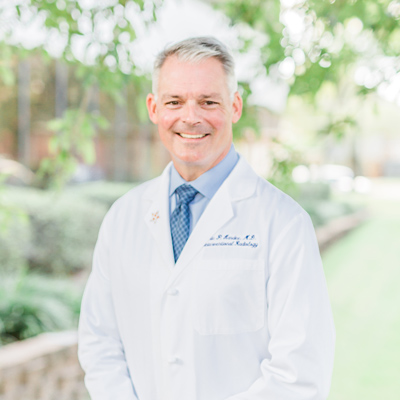
Portrait of Eric Hardee

Dr. Eric Hardee

Co-Founder · Vein & Vascular Doctor
Co-founder of Texas Endovascular and a board-certified interventional radiologist serving the Houston and Katy areas. Specializes in UFE, PAD, and vein disease.
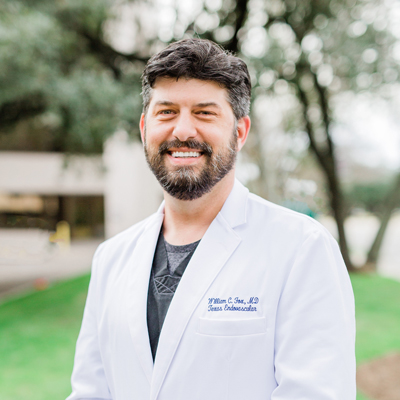
Portrait of Dr Fox

Dr. William Fox

Co-Founder · Vein & Vascular Doctor
Board-certified interventional radiologist and co-founder of Texas Endovascular, serving Central Houston. Specializes in fibroid embolization, vein disease, and PAD.
Dr. Jay Patel, M.D.

Dr. Jay Patel

Dallas-Fort Worth Vein & Vascular Doctor
Board-certified interventional radiologist leading fibroid care at the Dallas and Plano clinics, offering UFE for women throughout the DFW metroplex.
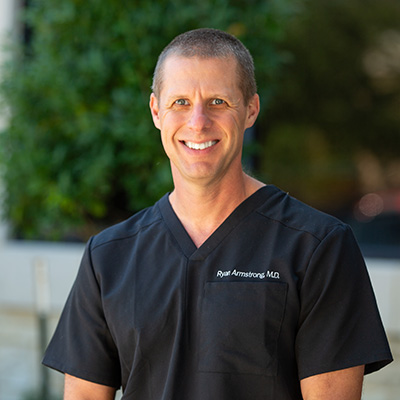
Ryan Armstrong

Dr. Ryan Armstrong

Vein & Vascular Doctor
Board-certified interventional radiologist providing advanced, minimally invasive care across Greater Houston — uterine fibroids, vein disease, PAD, and joint conditions.

Dr. AJ Valenson

Vein & Vascular Doctor · Bilingual (EN/ES)
Board-certified interventional radiologist and lead provider at the Clear Lake (Webster) clinic. Fluent in English and Spanish, serving the Houston Bay Area.
TREATMENT

Treat vein conditions with minimally invasive care

Modern vein treatments use ultrasound guidance and are performed right in our office. Our physicians close the affected vein, allowing blood to naturally reroute through healthier veins. No hospital stay, no large incisions, and no traditional vein stripping.
How embolization works
  1. A tiny catheter is guided into the affected vein using ultrasound guidance through a pinhole-sized entry point, with only local anesthesia needed.
  2. The vein is sealed shut with radiofrequency heat or medical adhesive.
  3. Blood naturally reroutes to healthy veins, and symptoms fade as pressure drops.
Depending on your veins, we may use endovenous radiofrequency ablation (RFA), VenaSeal adhesive, sclerotherapy, Varithena foam, or ambulatory phlebectomy. Most procedures take 30–60 minutes, and you can walk out and resume light activity the same day.

Outpatient, same-day

No hospital stay. Most patients go home within hours.

No surgical incision

A single pinhole — no vein stripping, no general anesthesia.

Walk in, walk out

Most patients return to normal activity the very next day.

Covered by most insurance

Medically necessary vein treatment is covered by most major plans.
Are you a candidate for vein treatment?
Take our 60-second quiz to find out which minimally invasive option may be right for your legs.
before and after

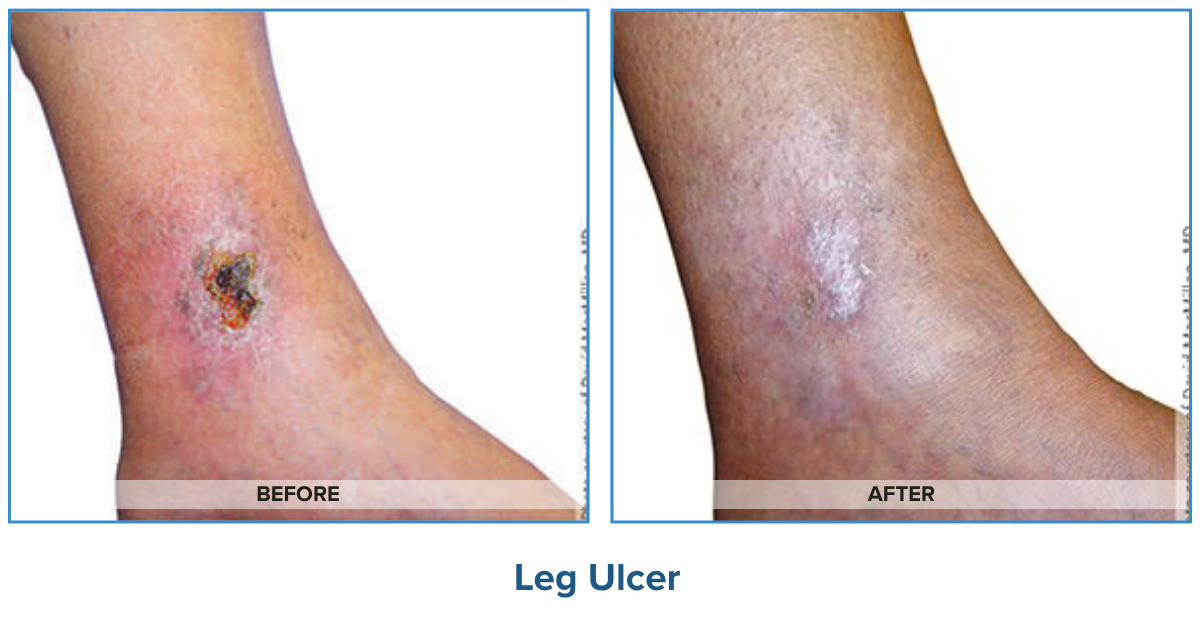
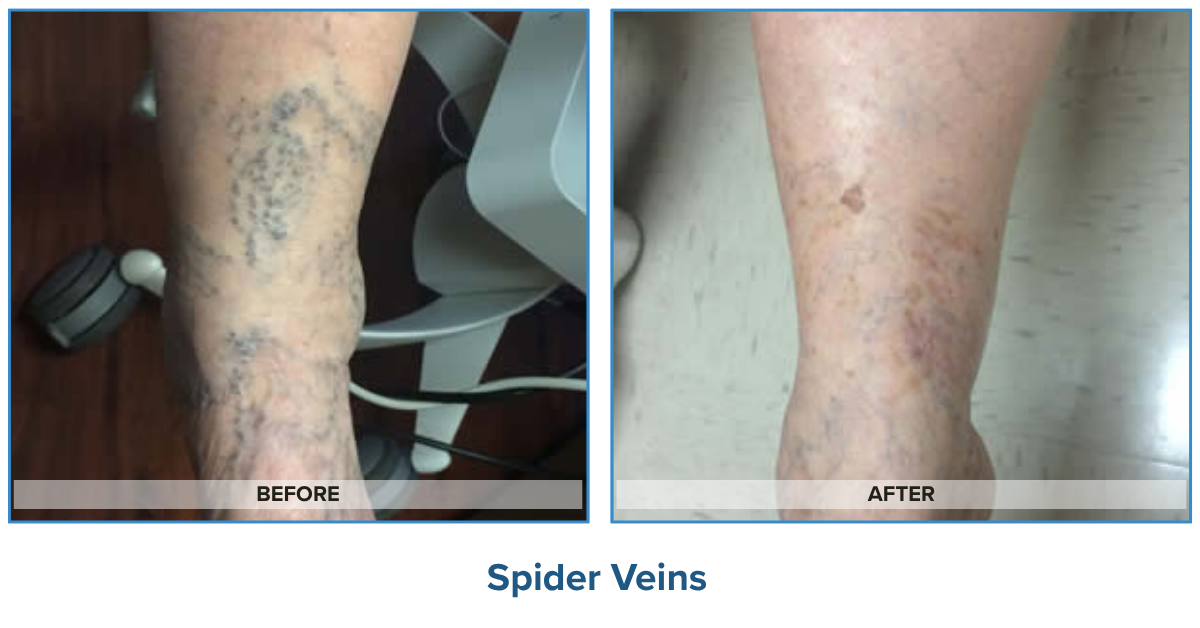
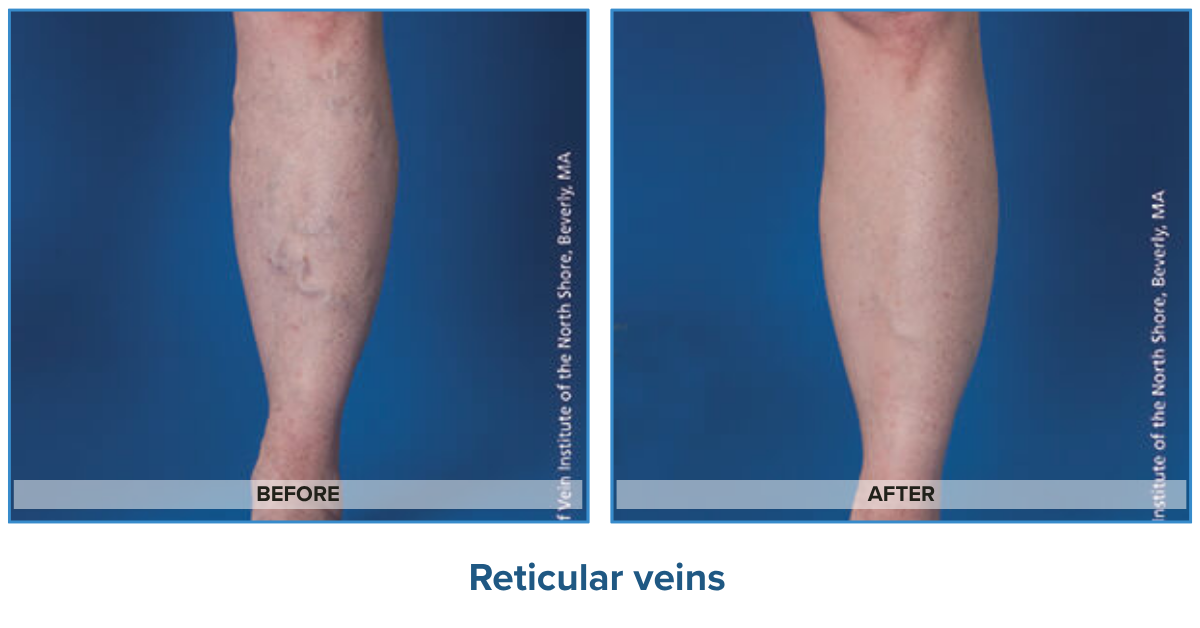
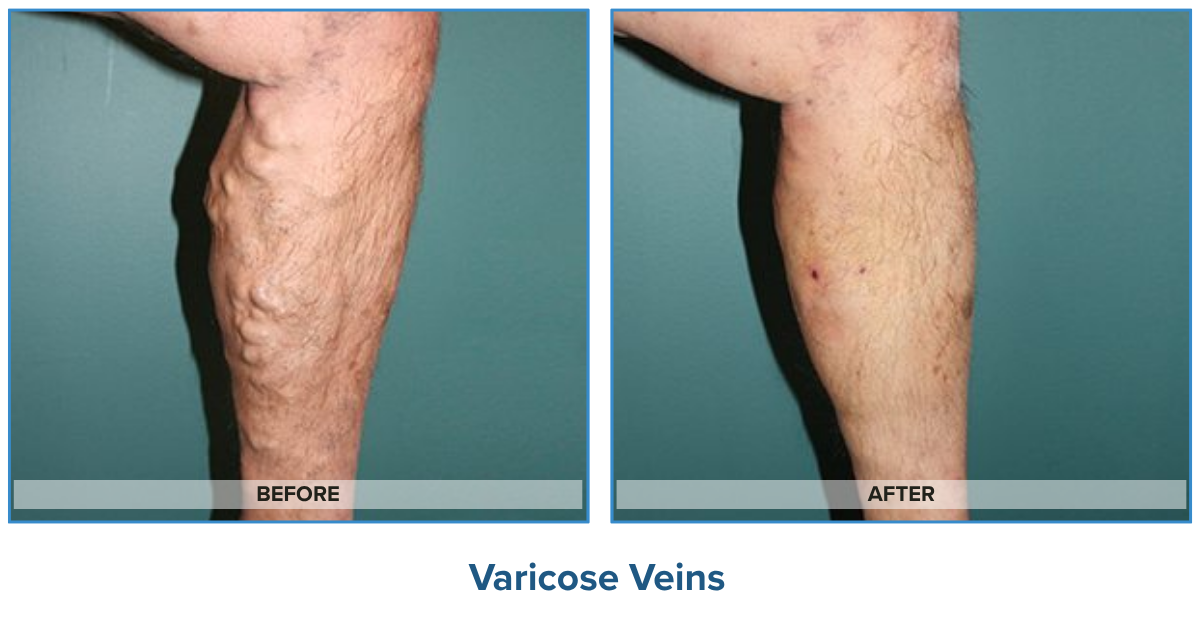
Vein treatment before & after

See the difference minimally invasive vein care can make. These results come from real Texas Endovascular patients treated in Houston and Dallas. Individual results vary. Learn more about: Spider Vein Treatment | Post Treatment Compression
WHY TEXAS ENDOVASCULAR

Why Texas Endovascular for your vein care?

Every patient receives compassionate, personalized treatment focused on long-term relief, healthier legs, and a better quality of life.

Fellowship-trained specialists

Board-certified interventional radiologists deliver expert care using the latest minimally invasive
vein treatments.

Ultrasound-guided precision

State-of-the-art imaging maps every vein and guides each procedure for safer, more effective outcomes.

Convenient locations across Texas

Clinics throughout Houston and Dallas–Fort
Worth make advanced vein care easy to access close to home.

Compare your options

Minimally invasive vein treatment 
vs. traditional approaches

How modern, image-guided vein care compares with old-fashioned surgery and conservative management, at a glance.
Treatment Invasiveness Recovery Time Anesthesia Effectiveness
Endovenous radiofrequency ablation (RFA) WHAT WE DO Minimally invasive Next day Local only High
VenaSeal (medical adhesive) Minimally invasive Same day Local only High
Sclerotherapy Non-surgical (injection) Same day None High (spider / small veins)
Vein stripping surgery Surgical 2–4 weeks General High
Compression & medication Non-invasive Ongoing use None Limited (manages only)
Real patient stories

What patients say about vein care at Texas Endovascular

Rated 5 stars by hundreds of Houston and Dallas patients
Convenient to you

Vein treatment centers across Houston & Dallas

Every location offers the same specialized vein care from board-certified interventional radiologists, at these convenient clinics across Texas.

Houston

4747 Bellaire Blvd,
Suite 550
Bellaire, TX 77401
Schedule here

Katy

1331 West Grand Parkway
N, Suite 210
Katy, TX 77493

Schedule here

Sugar Land

7619 Branford Place
Suite 230
Sugar Land, TX 77479
Schedule here

The Woodlands

8850 Six Pines Drive,
Suite 280
The Woodlands, TX 77380
Schedule here

Clear Lake

390 East Medical Center Blvd
Webster, TX 77598
Schedule here

Dallas

3920 W Wheatland Rd
Suite 108
Dallas, TX 75237

Schedule here

Plano

5425 W. Spring Creek Parkway
Suite 100
Plano, TX 75024

Schedule here
Questions

Vein treatment FAQs

Still unsure? Our team is happy to answer your questions over the phone.
Am I a Candidate? Take the quiz713.489.8623469.294.5589

How do I know which vein treatment is right for me?

The right procedure depends on which veins are affected and what an ultrasound shows about how your veins are functioning. After a quick evaluation, your physician matches you to the least invasive option that will work; often a combination of treatments for the best cosmetic and medical result. You'll leave your consultation with a clear, personalized plan.

What's the difference between radiofrequency ablation, sclerotherapy, and phlebectomy?

Depending on your vein condition and treatment goals, your personalized plan may combine multiple procedures to address symptoms, improve circulation, and enhance the appearance of your legs.

How long will the appointment take?

Your initial consultation should take about 30-45 minutes. During your appointment, you'll meet one of our physicians, then, the doctor will discuss your current symptoms and health history. At this point, we will know if you need a diagnostic ultrasound of your legs.

The ultrasound appointment takes about an hour. One of our registered vascular technologists (RVT)  performs the exam. Then, one of our doctors will discuss your results and discuss treatment options.

How many treatment sessions will I need?

It varies by the size and number of veins being treated. A single ablation often handles the underlying problem vein, while spider veins and cosmetic concerns may take two to four sclerotherapy sessions spaced a few weeks apart. We'll give you an expected range up front so there are no surprises.

What is recovery like, and when can I return to work and exercise?

Downtime is minimal. Most patients walk out and resume light activity the same day, and return to desk work the next day. You'll wear compression stockings for a short period and avoid strenuous exercise and heavy lifting for about one to two weeks, depending on the procedure.

How long do vein treatment results last?

A vein that's been properly sealed or removed does not come back. Because vein disease is progressive, new veins can form over time, but staying active, wearing compression as directed, and keeping follow-up visits keeps results lasting for years.

Are the treatments painful, and what kind of anesthesia is used?

These procedures are performed in our office using local anesthesia, with no need for general anesthesia or a hospital stay. Most patients experience minimal discomfort, often describing just a small pinch or mild pressure. You’ll remain awake throughout the procedure, with our team focused on keeping you comfortable.

Does insurance cover vein treatment, and what will it cost me?

How should I prepare for my vein procedure?

Preparation is simple: wear loose clothing, eat normally, stay hydrated, and bring your compression stockings if you already have them. Because you're awake and procedures are quick, most patients drive themselves home afterward.

FROM OUR DOCTORS

Learn about vein health from the specialists who treat it

Our physicians break down the questions patients ask most, in plain language, without the medical jargon.