Houston Fibroids now part of Texas EVA

281-690-5082 HOUSTON

about texas endovascular

We built Texas Endovascular around the treatment option most patients are never told about.

A Texas practice of board-certified interventional radiologists treating nine conditions without surgery, since 2015
Most of our patients arrive having already been told that surgery is the only real option, or that they should live with it a while longer. There is usually a third answer. Everything we do happens through an access point the size of a pinhole, guided by live imaging, in an outpatient clinic, with most patients driving home the same afternoon.
Who is Texas Endovascular?
2015
Year founded in 
Houston, Texas
9
Conditions treated 
without surgery
8
Outpatient clinics across
Houston and Dallas-Fort Worth
4.8
Average rating across 
2,600+ patient reviews
Texas Endovascular is an outpatient specialty practice led by board-certified, fellowship-trained interventional radiologists. We treat nine conditions with minimally invasive, image-guided procedures instead of open surgery, including: vein disease, peripheral artery disease (PAD), uterine fibroids, enlarged prostate (BPH), internal hemorrhoids, knee osteoarthritis, plantar fasciitis, frozen shoulder and golfer's or tennis elbow. Care happens in our own clinics across Greater Houston and the Dallas–Fort Worth area, usually without a hospital stay and, for most patients, with a same-day return home. Founded in Houston in 2015, we are the parent practice behind Houston Fibroids, Dallas Fibroid Center, Texas Prostate Institute, Texas Hemorrhoid Institute and Texas Knee Institute.
SPECIALTY
Vascular & Interventional Radiology
SETTING
Office-based outpatient clinics, not hospitals
WHERE WE PRACTICE
Houston · Katy · Sugar Land · The Woodlands · 
Clear Lake · Dallas · Plano · Fort Worth
LANGUAGES
English and Spanish · Se Habla Español

our story

It started with patients who had run out of options

Dr. Eric Hardee and Dr. William Fox spent the first part of their careers in hospital radiology suites, Dr. Hardee after nine years in the Navy, doing image-guided work that most people had never heard of. The pattern they kept seeing was the same one their patients describe today: a woman managing fibroid bleeding for years because a hysterectomy felt like too much; a man losing sleep to a prostate the size of a plum; legs that ached every evening after work. All treatable through a small catheter, and almost nobody had been told about this option.

So in 2015 they opened a practice built entirely around that idea, outside the hospital, where a procedure could happen in an afternoon and a follow-up conversation didn't require a referral chain. Fox, a native Houstonian, had already helped start one of the country's first outpatient vascular centers and knew the model worked. Houston came first. Katy, Sugar Land, The Woodlands and Clear Lake followed as word spread the way it does in medicine: one patient telling another.

More than a decade on, the practice has grown into Dallas-Fort Worth and the founders still perform procedures every week. What hasn't changed is the appointment itself: the physician who reads your imaging is the physician who treats you, and no one is asked to decide anything on the first visit.

That same commitment extends beyond our clinics. We believe people deserve access to clear information and specialized care wherever they live, not just when they happen to be referred. Through education, community outreach and accessible care, we work to make sure more of our neighbors know their options and can make informed decisions about their health.
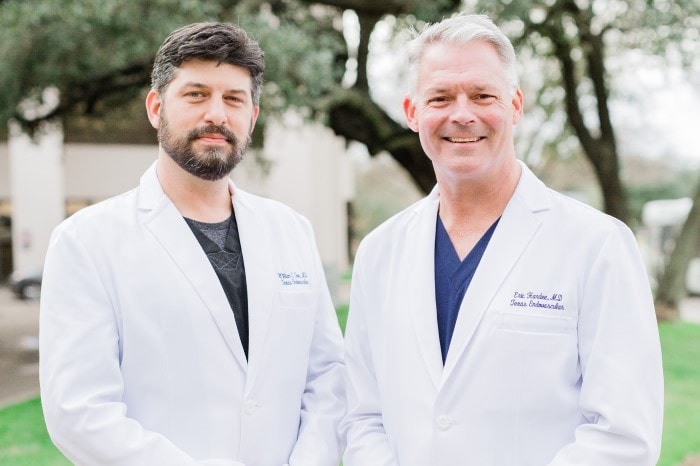
Dr. Fox and Dr. Hardee
Dr. William Fox and Dr. Eric Hardee, the two co-founders of Texas Endovascular
what makes us different

A different kind of specialist office

Three things patients notice within the first visit, and they are the reasons the practice exists.

One specialty, nine conditions

Fibroids, an enlarged prostate, a painful knee and a heavy leg look like nine unrelated problems. They share a solution: closing or opening the vessels that feed them, through a pinhole, under live imaging. That is the whole of what we do, which is why we do a great deal of it.

Our clinics, not a hospital wing

Because treatment happens in our own outpatient clinics, there is no admission, no operating-room queue and usually no general anesthesia. Most patients arrive in the morning, go home the same day and are back to normal activity within days rather than weeks.

The doctor who reads it, treats it.

The physician who reviews your imaging and explains your options is the same physician who performs your procedure and sees you at follow-up. That means you always know who is treating you, your care stays connected, and you never have to re-explain your story.

mission & values

Why we practice this way

Our MISSION

No one should have to choose between living with debilitating symptoms and undergoing major surgery. Our mission is to make the third option — minimally invasive, image-guided treatment — the one patients actually hear about, understand and can reach.

In practice, that means offering the full range of endovascular procedures under one roof, keeping incisions small enough to call pinholes, and being honest when another specialty is the better answer. It also means keeping up: we review outcomes, adopt techniques as evidence supports them, and retire those it doesn't.
Our Vision

A Texas where advanced endovascular care is standard, available close to home, covered by your insurance plan, explained in your language, and available to anyone who needs it rather than only to those who happen to be told about it.

That is why we open clinics in the suburbs where people actually live, accept Medicare and most major insurance plans, see Spanish-speaking patients in Spanish, and publish clear, plain-language explanations of every procedure we perform, including what it can and cannot fix for you.
our values

What we hold ourselves to

We listen before we recommend

Your first appointment is a conversation about what your day actually looks like; the stairs, the bathroom trips, the pants that no longer fit over the swelling. A treatment plan that ignores that is the wrong plan.

We explain it until it makes sense

We show you your own imaging, name what we see, and describe the procedure in the words you would use to tell your family about it. A patient who can explain their own treatment is a patient who can decide about it.

We tell you when we are not the answer

Some conditions are better served by a surgeon, urologist or orthopedist, and some by watching and waiting. We say so, and help you get there. Being the right option for you matters more than being your option.

We make the care reachable

Clinics in the neighborhoods our patients live in. Most major insurance plans and Medicare accepted, verified before anything is scheduled. Appointments in Spanish. No referral required for most patients.

We keep learning, and we stay with you afterward

Interventional radiology moves quickly, and our patients are the reason to keep up with it. Our physicians are fellowship-trained and board-certified in vascular and interventional radiology. We track our own results, follow patients at one week, one month and four months, and adopt new techniques when the evidence supports them.
Our physicians

Meet the doctors behind 
Texas Endovascular

Five board-certified interventional radiologists, supported by ten physician assistants 
and nurse practitioners trained in vascular and embolization care.
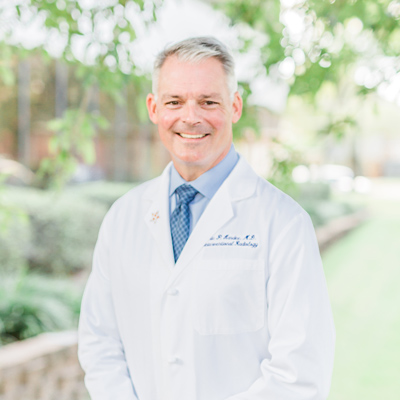
Portrait of Eric Hardee

Dr. Eric Hardee

Sees patients in
Katy, TX
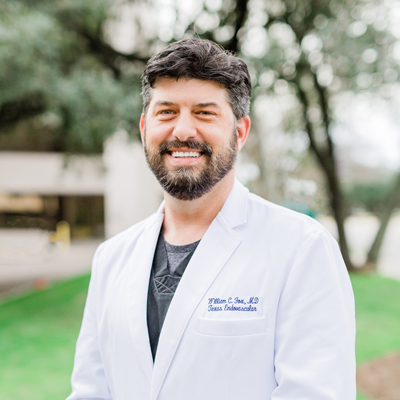
Portrait of Dr Fox

Dr. William Fox

Sees patients in: Houston/Bellaire
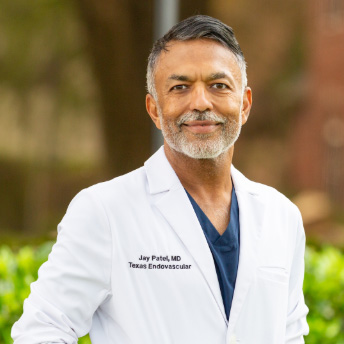
Dr. Jay Patel, M.D.

Dr. Jay Patel

Sees patients in
Dallas · Plano · Fort Worth
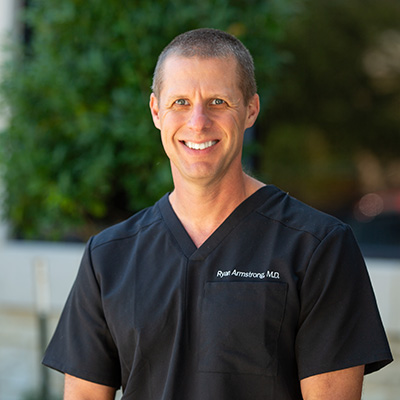
Ryan Armstrong

Dr. Ryan Armstrong

Sees patients in
The Woodlands · Sugar Land 

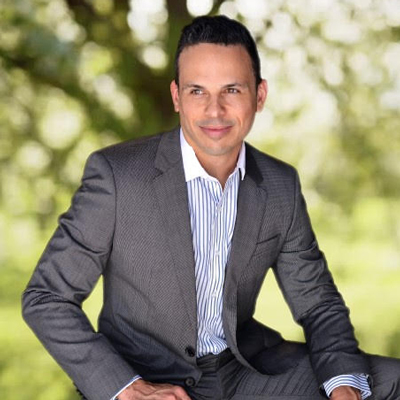
Dr. AJ Valenson

Sees patients in
Clear Lake
Se Habla Español
what to expect

From first call to final follow-up

The same four steps whichever condition brought you here.
step 01

The call

Tell us about your symptoms and we’ll match you with the right specialist and clinic, often with an appointment within the same week. No referral is needed for most patients.

step 02

The consultation

We listen, examine, and use imaging when needed, during the same visit. You leave knowing what is causing the problem and your options, including ones we don't perform.

step 03

The procedure

We treat you through a pinhole-sized access point with live imaging and light sedation—no general anesthesia or surgery. Most patients go home the same day with a driver.

step 04

The follow-up

We check in at one week, one month, and four months, all with the doctor who treated you, since relief from embolization develops over time, building over weeks rather than hours.


Texas Endovascular is the parent practice behind our family of specialized care brands.
where we practice

Care close to where you live

We see patients in Houston (Bellaire), Katy, Sugar Land, The Woodlands, Clear Lake / Webster, Dallas, Plano and Fort Worth. Every clinic offers the same procedures, the same equipment and the same standard of care. The difference is only how far you have to drive. Several of our physicians rotate between clinics, so our schedulers will confirm the location and day that works for you. Spanish-speaking appointments are available at every location. Se Habla Español.
Common questions

Questions patients ask about our practice

What does Texas Endovascular treat?

Texas Endovascular treats nine conditions, all with minimally invasive, image-guided procedures: vein disease, peripheral artery disease (PAD), uterine fibroids, enlarged prostate (BPH), internal hemorrhoids, knee osteoarthritis, plantar fasciitis, frozen shoulder, and tennisgolfer's elbow.

What is an interventional radiologist?

A physician who specializes in minimally invasive, image-guided procedures. Using real-time imaging, they guide small instruments through a tiny access point to diagnose or treat a condition, often as an alternative to traditional surgery, with smaller incisions and less disruption to the body. All of our physicians are board-certified and fellowship-trained in this specialty.

How is minimally invasive treatment different from surgery?

Instead of an incision that opens the area, treatment reaches it through a pinhole in the wrist, groin or leg, guided by live imaging. That usually means light sedation rather than general anesthesia, no hospital stay, less bleeding and a return to normal activity in days rather than weeks. Published reviews of endovascular techniques such as laser vein ablation report high success rates with fewer complications than open surgery.

How long has Texas Endovascular been in practice?

More than a decade. The practice was founded in Houston in 2015 by Dr. Eric Hardee and Dr. William Fox and has since grown to eight outpatient clinics across Greater Houston and the Dallas–Fort Worth area, with five board-certified physicians and more than 50 years of combined experience.

Do I need a referral, and do you take my insurance?

A referral is not required for most patients, though some plans ask for one or for prior authorization. We accept Medicare and most major insurance plans, and our team verifies your benefits and explains your expected cost before anything is scheduled.

Is treatment done in a hospital?

No. Consultations, imaging and procedures all happen in our own office-based outpatient clinics. There is no admission and, for most procedures, no overnight stay. You arrive, are treated and go home the same day, with someone else driving.

What is Texas Endovascular's mission?

To make minimally invasive, image-guided treatment a real and reachable option for every patient who needs it, so that no one has to choose between living with debilitating symptoms and undergoing major surgery. We do that by offering the full range of endovascular procedures in outpatient clinics close to home, explaining every option in plain language, and being candid when another specialty is the better answer.

Do you see Spanish-speaking patients?

Yes. Dr. AJ Valenson is fluent in Spanish and sees Spanish-speaking patients directly, and Spanish-speaking team members are available at our clinics. Ask when you call or note it on the appointment form. Se Habla Español. 

stay up to date | Subscribe to our Newsletter

New treatments, plain-language answers, once a month

Our physicians write about the conditions we treat and the procedures that replace surgery; what is new, what the evidence says, and what it means for you. One email a month. Unsubscribe any time, and we never share your address.
Are you a referring physician?
Send imaging and clinical notes, get a same-week consult for your patient, and receive a written summary at one week, one month and four months. Your patient's routine care stays with you.