281-690-5082 HOUSTON
469-214-5251 DALLAS

281-690-5082 HOUSTON
469-214-5251 DALLAS
Our Address
3920 W Wheatland Rd
Suite 108
Dallas, TX 75237
Contact Numbers
Phone: 469-214-5251
Fax: 713-575-3688
Office Hours
Monday – Friday: 8am – 5pm
Saturday – Sunday: Closed
At Texas Endovascular in Dallas, Texas, you’ll receive advanced, minimally invasive care for a wide range of conditions, including:
Board-certified interventional radiologists
30,000+ Non-Surgical/non-invasive treatments performed
1,000s of reviews for our Vascular Specialists in Dallas
 Google 4.8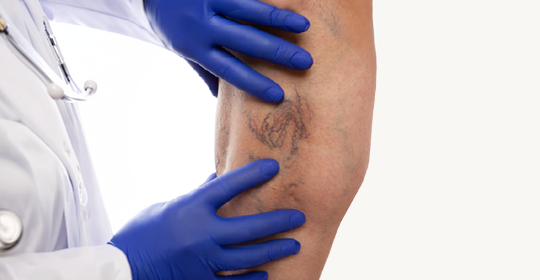
Peripheral artery disease (PAD) occurs when narrowed arteries reduce circulation to the legs, often causing discomfort such as pain, cramping, and difficulty with movement. At our Dallas office, we provide minimally invasive solutions—including angioplasty and specialized vascular treatments—to improve blood flow and help restore mobility, all without the need for traditional open surgery.

Uterine fibroids can interfere with everyday life, often leading to symptoms like heavy periods, pelvic discomfort, and a feeling of pressure in the abdomen. Uterine Fibroid Embolization (UFE) offers a non-surgical solution by blocking the blood flow that feeds the fibroids, causing them to gradually shrink. This uterus-sparing procedure is minimally invasive, and most patients are able to go home the same day, experiencing a quicker and more comfortable recovery than with traditional surgical options.
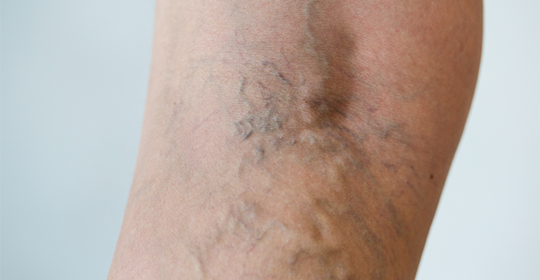
Varicose and spider veins often cause symptoms like aching, swelling, and a heavy or tired feeling in the legs. Our minimally invasive treatments—such as sclerotherapy and radiofrequency ablation—work by sealing off damaged veins and naturally rerouting blood flow to healthier vessels. These procedures not only relieve discomfort but also improve the overall look of your legs.

Benign prostatic hyperplasia (BPH) can cause frequent urination, weak urinary flow, and disrupted sleep. Prostate Artery Embolization (PAE) is a non-surgical option that reduces blood flow to the prostate, helping to shrink it and relieve symptoms effectively.

Chronic hemorrhoids can be painful and disruptive. Hemorrhoid Artery Embolization (HAE) addresses the condition at its source by reducing blood flow to the affected area, offering long-term relief without the need for surgical intervention.

Ongoing joint pain in areas such as the knees, shoulders, or elbows can impact mobility and quality of life. We help reduce inflammation by limiting abnormal blood flow, helping patients stay active, and potentially delaying or avoiding surgery. We provide the following embolizations treatments:
At Texas Endovascular in Dallas, we specialize in precise, image-guided procedures performed through small access points. These minimally invasive techniques reduce discomfort, lower the risk of complications, and significantly shorten recovery time compared to traditional surgery.
Every treatment plan is customized based on your condition, symptoms, and long-term health goals. Our mission is to provide effective relief with minimal disruption—so you can return to your normal routine as quickly as possible.
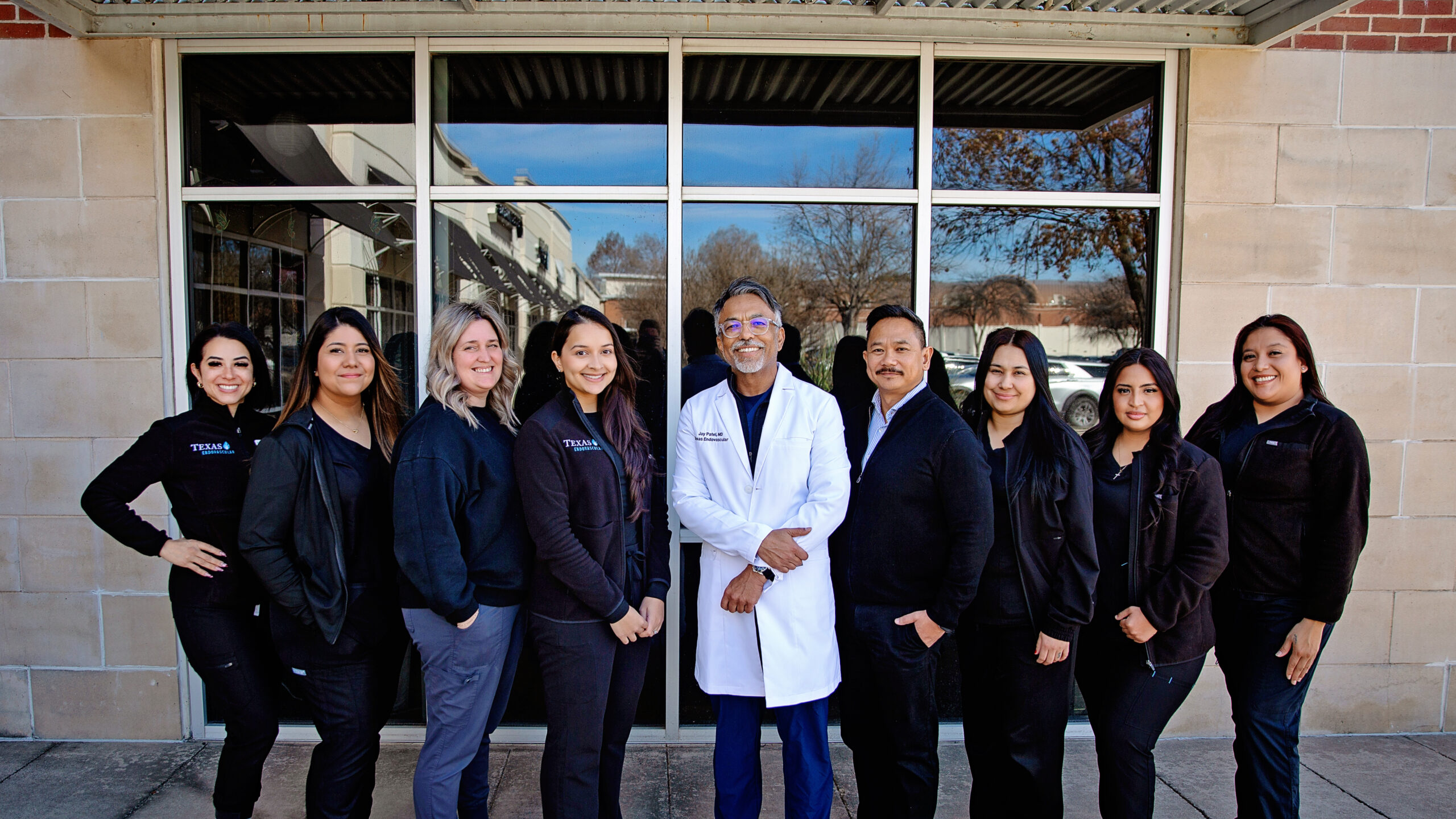
Our Dallas clinic is led by a team of experienced, board-certified interventional radiologists dedicated to delivering high-quality, personalized care.
Our board-certified interventional radiologists take a comprehensive approach by targeting the root cause of your condition rather than simply managing symptoms. This allows for more efficient recovery and longer-lasting outcomes. Whether you're looking to avoid surgery or seeking a more convenient, long-term treatment plan, our Dallas team is dedicated to providing individualized care focused on your comfort, health, and results.
With decades of combined experience, our physicians specialize in minimally invasive treatments for vascular conditions, fibroids, prostate issues, hemorrhoids, and joint pain.

Patients choose our Dallas location for expert care and a more convenient treatment experience:
You don’t have to live with ongoing discomfort or limited mobility. At Texas Endovascular in Dallas, our specialists offer advanced, minimally invasive treatments designed to help you feel better—without surgery.
Call 469-214-5251 to schedule your consultation. Request your appointment today and take the first step toward lasting relief.
Scheduling
Please contact our dedicated specialists to schedule a consultation today.