after PT and medications
have failed
of durable relief vs.
weeks–months for steroid shots
Local anesthesia only,
home within hours
Interventional radiologists
across Houston & DFW
Pain increases and motion begins to shrink; usually 6 weeks to 9 months.
Pain may ease, but the shoulder stays markedly stiff; often 4 to 12 months.
Motion slowly returns; sometimes taking 6 months to 2 years without treatment.
Frozen shoulder is most common in women between the ages of 40 and 70, though it can affect anyone.
Often develops after a shoulder has been held still for long periods following surgery, a fracture, or a stroke.
People with diabetes are significantly more likely to develop frozen shoulder, and often more severely.
Thyroid disorders, Parkinson's disease, and cardiac disease are all associated with an increased risk of developing frozen shoulder.
Fractures, rotator cuff injuries, and shoulder surgery can trigger the inflammation that leads to a frozen joint capsule.
Ongoing capsule inflammation drives neovascularization — the abnormal vessels FSE targets.
Stretching exercises to maintain and recover range of motion — the foundation of every treatment plan.
Anti-inflammatory medications & corticosteroid injections give quick but temporary relief and often mask symptoms rather than fix the cause.
Image-guided embolization reduces blood supply to the abnormal vessels in the inflamed capsule. Relief without surgery.
If symptoms persist, doctors may perform manipulation under general anesthesia, gently stretching the shoulder joint while you sleep.
Surgery to cut through the tightest parts of the capsule — effective for motion, but with higher risks and months of rehab.
Some cases improve on their own. However, "over time" can mean months or even years of pain, stiffness, and limited shoulder movement.




No hospital stay. You go home within an hour or two.
A single pinhole — no scalpel, no general anesthesia, lower risk of infection or nerve injury than surgery.
Unlike surgery's months of aggressive PT, embolization typically allows a shorter, far less painful rehab period.
We verify your benefits in advance and explain costs clearly.
| Treatment | Invasiveness | Anesthesia | Recovery/Rehab | Durability of relief |
|---|---|---|---|---|
| Frozen shoulder embolization (FSE / SAE / ACE) WHAT WE DO | Minimally invasive (pinhole) | Local only | 1–2 days; shorter, gentler PT | 1–3+ years (treats the source) |
| Steroid injections | Non-surgical (injection) | None | Same day | Weeks–months (masks symptoms) |
| Physical therapy + NSAIDs alone | Non-invasive | None | Ongoing (months) | Helpful; slow while inflammation persists |
| Manipulation under anesthesia | Non-surgical, forceful stretch | General | Weeks + aggressive PT | Variable; risk of re-freezing |
| Arthroscopic capsular release | Surgical | General | Months of aggressive PT | High (higher risk of infection / nerve injury) |
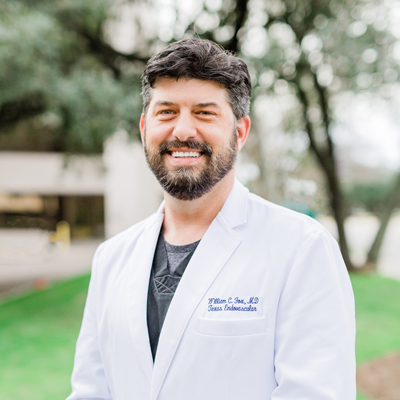
Fellowship-trained, board-certified doctors specializing in FSE and other minimally invasive treatments.
Advanced imaging maps the vessels around your shoulder and guides each procedure for safer, more effective treatment.
Clinics throughout Houston and Dallas–Fort Worth make advanced frozen shoulder care easy to access close to home.


1331 West Grand Parkway
N, Suite 210
Katy, TX 77493
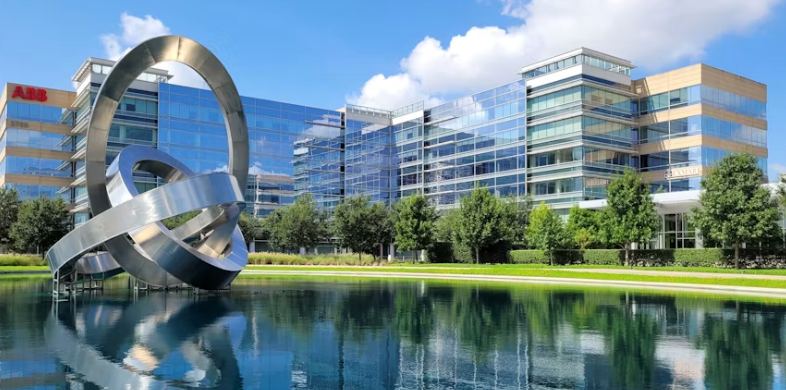


3920 W Wheatland Rd
Suite 108
Dallas, TX 75237
5425 W. Spring Creek Parkway
Suite 100
Plano, TX 75024
6620 Bryant Irvin Road
Suite 100
Fort Worth, TX 76132
Frozen shoulder embolization (FSE) — also known as shoulder artery embolization (SAE) or adhesive capsulitis embolization (ACE) — is a minimally invasive procedure that treats frozen shoulder by reducing the blood supply to abnormally formed blood vessels (neovascularization) in the inflamed joint capsule. It's performed as an outpatient procedure with local numbing — no incision and no general anesthesia.
Yes — for many patients. Reducing blood flow to the abnormal vessels dampens the inflammation driving pain and stiffness, and most patients see significant pain relief and improved range of motion within 2 to 4 weeks. Studies show improvements in pain and function comparable to surgery, with significantly less post-procedural pain and a much shorter rehabilitation period.
Relief from embolization is typically durable — often 1 to 3 years or more. Unlike steroid injections, which provide quick but temporary relief and often "mask" symptoms, embolization addresses the pathological blood vessels fueling chronic inflammation, making it a strong option for patients who no longer respond to shots.
Surgery (like arthroscopic capsular release) is effective for regaining motion but requires general anesthesia and carries higher risks of infection or nerve injury, followed by months of aggressive physical therapy to prevent re-freezing. Embolization offers comparable improvements in pain and function through a single pinhole with local numbing — and because the inflammation is dampened within the first two weeks, the PT that follows is shorter and far less painful.
You may be a good candidate if:
The procedure is done through a pinhole with local numbing, so discomfort is minimal — most patients feel only a small pinch. You go home the same day with a small bandage and can usually return to normal activities within a day or two. A shorter, gentler course of physical therapy helps restore motion as the inflammation settles.
Most frozen shoulder embolization procedures take about 1 to 2 hours and are performed in our outpatient centers in Houston and Dallas. You're awake and comfortable the whole time, and you go home the same day after a short observation period.
Minimally invasive shoulder treatments may be covered by most major insurance providers when medically necessary. Our team verifies your coverage before treatment and provides clear cost information up front, so you can move forward with confidence.
Some cases improve slowly without treatment — but "slowly" can mean 1–3 years of pain and lost motion, and frozen shoulder can gradually worsen if left untreated. Many patients benefit from earlier intervention to reduce pain and restore mobility more efficiently. Seeking care early lets our team pinpoint the cause and recommend the most effective approach — often avoiding surgery.
See a specialist if shoulder pain and stiffness have lasted more than three months, wake you at night, or limit dressing, driving, or reaching — especially if injections or therapy haven't helped. Early evaluation prevents the capsule from stiffening further and keeps more treatment options open.
Scheduling
Please contact our dedicated specialists to schedule a consultation today.