UFE success rate
Go home same-day
Symptom relief rate
Fertility-sparing treatment
Submucosal fibroids grow into the cavity and can change the shape of the uterus, interfering with implantation of a fertilized egg.
In rare cases, larger fibroids near the tubes can obstruct the passage of eggs from the ovaries, making fertilization difficult.
A distorted or crowded uterine cavity may make it harder for an embryo to implant and establish a healthy pregnancy.
Symptomatic fibroids can cause heavy, prolonged periods that affect overall reproductive health and energy.
Estrogen and progesterone can encourage fibroid growth during the reproductive years, when fertility matters most.
Submucosal fibroids that affect the uterine lining may contribute to early pregnancy loss for some women.
Large fibroids can crowd the uterus and raise the chance of early labor.
Fibroids may leave the baby in a breech or transverse position at delivery.
A fibroid behind the placenta can increase the risk of early separation.
Low-lying fibroids may be linked to the placenta covering the cervix.
Poorly positioned fibroids can make a C-section more likely.
Heavy bleeding, painful periods, fatigue, or pelvic pressure are signs to see a specialist.
No hospital stay. Most patients go home within hours.
A single pinhole in the wrist or groin. No abdominal cut.
Every fibroid is targeted in a single session, regardless of count.
No hysterectomy. Your uterus — and potential fertility — stay intact.
| Treatment | Invasiveness | Recovery | Preserves Fertility | Best for |
|---|---|---|---|---|
| UFE WHAT WE DO | Minimally invasive | 7-10 days | Yes | Symptomatic, multiple or large fibroids |
| Myomectomy | Surgical | 4–6 weeks | Yes | Removing specific fibroids |
| Hysterectomy | Major surgery | 6–8 weeks | No | When fertility isn’t desired |
| Endometrial Ablation | Minimally invasive | 2–3 weeks | No |
Heavy bleeding, no pregnancy planned
|
| Watchful waiting | Non-invasive | – | Yes | Mild or asymptomatic fibroids |

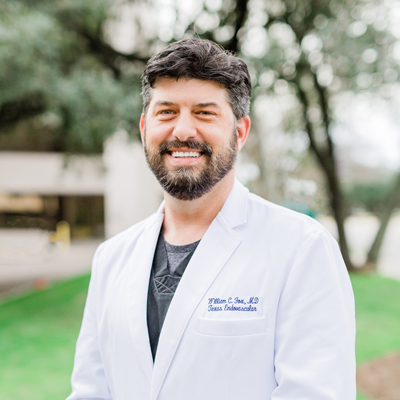

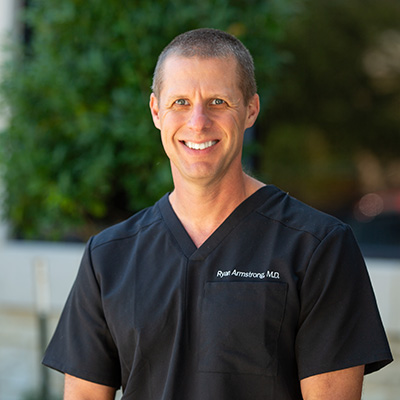

Board-certified interventional radiologists deliver expert care using the latest minimally invasive fibroid treatments.
We treat fibroids while protecting your uterus, so you can pursue a healthy pregnancy on your own timeline.
Clinics throughout Houston and Dallas–Fort Worth make advanced fibroid care easy to access close to home.





1331 West Grand Parkway
N, Suite 210
Katy, TX 77493



3920 W Wheatland Rd
Suite 108
Dallas, TX 75237
5425 W. Spring Creek Parkway
Suite 100
Plano, TX 75024
6620 Bryant Irvin Road
Suite 100
Fort Worth, TX 76132
Most patients return to normal activities within 7–10 days, but your physician will advise a recovery window before trying to conceive so the uterus can fully heal. The right timeline is individual — we’ll discuss it at your consultation.
No, a hysterectomy is not the only option. Although roughly 500,000 hysterectomies are performed each year in the United States — most of them due to fibroids — many women are unaware that less invasive alternatives exist. A hysterectomy is major surgery that requires a 4–6 week recovery and leaves a large permanent abdominal scar.
Uterine fibroid embolization (UFE) is a non-surgical alternative for women with symptomatic fibroids who want to avoid major surgery. It is an outpatient procedure with far less downtime than a hysterectomy and leaves no significant visible scar. A 2008 practice bulletin from the American College of Obstetricians and Gynecologists (ACOG) states that uterine artery embolization is a safe and effective treatment option for women with fibroids who wish to retain their uterus
Pregnancy hormones and increased blood flow can cause some fibroids to grow, especially in the first trimester. Many stay stable or shrink. Your OB will monitor any fibroids throughout your pregnancy.
Red degeneration happens when a fibroid outgrows its blood supply during pregnancy, causing pain. It’s the most common fibroid complication in pregnancy and is usually managed with rest and pain relief rather than surgery.
Most pregnancies with fibroids are uncomplicated. However, submucosal fibroids that affect the uterine lining may raise the risk of early pregnancy loss for some women, which is why pre-conception evaluation can be valuable.
Both preserve the uterus. Myomectomy surgically removes specific fibroids, while UFE shrinks all fibroids without surgery. Studies show comparable outcomes; the best choice depends on your fibroids, your goals, and your physician’s guidance.
Barring a medical emergency, fibroids generally aren’t treated during pregnancy. If you discover fibroids after conceiving, your OB will monitor them and manage any symptoms conservatively.
It depends on size and position. Most women deliver without issue, but large or low-lying fibroids can increase the chance of a cesarean or malpresentation. Your care team will plan ahead based on imaging.
Scheduling
Please contact our dedicated specialists to schedule a consultation today.