Symptom relief rate
Go home same-day
Back to normal activities
No hysterectomy needed
Cramping or pelvic pain that is usually temporary and managed with medication.
Rare reaction to contrast dye or embolic materials; patients are closely monitored.
Some bleeding is expected; report excessive or prolonged bleeding to your provider.
Very rare; minimized by the careful navigation of a skilled interventional radiologist.
No hospital stay. Most patients go home within hours.
A single pinhole in the wrist or groin. No abdominal cut.
Every fibroid is targeted in a single session, regardless of count.
No hysterectomy. Your uterus — and potential fertility — stay intact.
UFE is an outpatient procedure done through a single pinhole incision under light sedation. Most patients are home within hours.
Mild cramping and fatigue are normal for the first day or two, and are well controlled with prescribed or over-the-counter medication.
Most women return to work and everyday activities within 7–10 days — a fraction of the 6–8 week recovery after a hysterectomy.
Fibroids shrink steadily over the following months, and about 9 in 10 women see significant relief from heavy bleeding, pressure, and pain.
| Treatment | Invasiveness | Recovery Time | Preserves Uterus | Fertility |
|---|---|---|---|---|
| UFE WHAT WE DO | Minimally invasive | 1–2 weeks | Yes | Pregnancy possible |
| Myomectomy | Surgical | 4–6 weeks | Yes | Preserved |
| Hysterectomy | Major surgery | 6–8 weeks | No | Ends fertility |
Review the full fibroid treatment comparison breakdown on our Fibroids Treatment Options page

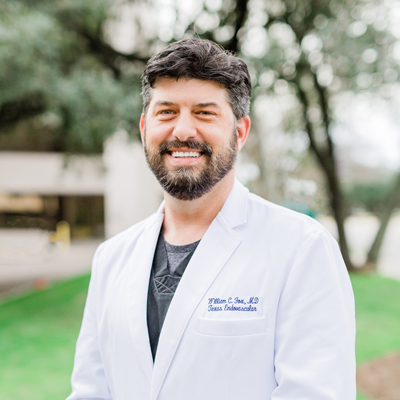



Board-certified interventional radiologists deliver expert care using the latest minimally invasive fibroid treatments.
Advanced imaging technology plans and guides each procedure with precision for safer, more effective outcomes.
Clinics throughout Houston and Dallas–Fort Worth make advanced fibroid care easy to access close to home.





1331 West Grand Parkway
N, Suite 210
Katy, TX 77493



3920 W Wheatland Rd
Suite 108
Dallas, TX 75237
5425 W. Spring Creek Parkway
Suite 100
Plano, TX 75024
6620 Bryant Irvin Road
Suite 100
Fort Worth, TX 76132
UFE is a minimally invasive, non-surgical procedure that treats uterine fibroids by blocking the arteries that feed them. Without a blood supply, the fibroids shrink and symptoms like heavy bleeding and pelvic pressure ease. It is performed by an interventional radiologist through a tiny pinhole — no incision or stitches.
A thin catheter is guided through a pinhole in your wrist or groin to the uterine arteries using live imaging. Tiny particles are released to block blood flow to every fibroid at once. The fibroids then shrink over the following weeks and months while healthy uterine tissue is preserved.
UFE is highly effective and well tolerated. Most side effects — mild cramping, temporary pelvic pain, or light bleeding — are minor and short-lived. Serious complications such as allergic reaction or non-target embolization are rare, especially when performed by experienced, fellowship-trained interventional radiologists.
Good candidates are women with symptomatic fibroids whose symptoms have not improved with medication or hormonal therapy, and who want to avoid major surgery or keep their uterus. UFE may not be appropriate for asymptomatic fibroids, certain cancers, vascular disorders, heart disease, or compromised kidney function. A consultation confirms candidacy.
A hysterectomy removes the uterus entirely and permanently ends fertility, with a 6–8 week recovery. UFE is a minimally invasive alternative that preserves the uterus, has a 1–2 week recovery, and keeps future pregnancy possible — while still delivering significant, lasting symptom relief.
Myomectomy is surgery that removes individual fibroids while preserving the uterus, with a recovery similar to other surgeries. UFE treats all fibroids at once by cutting off their blood supply, with no incision, a shorter recovery, and fewer risks.
Endometrial ablation destroys the lining of the uterus to reduce heavy menstrual bleeding, but it does not treat fibroids themselves — and it is only recommended for women who don't wish to become pregnant. Uterine fibroid embolization (UFE) treats the root cause by cutting off the fibroids' blood supply, causing them to shrink and die. Unlike endometrial ablation, UFE preserves the uterus, and a safe pregnancy afterward is possible.
Yes — because UFE preserves the uterus, pregnancy after the procedure is possible, and many women conceive successfully afterward. Your physician will review your individual fertility goals before treatment.
Most patients go home the same day and return to work and normal activities within 1–2 weeks. Mild cramping in the first 24–48 hours is normal and managed with medication. Fibroids continue to shrink and symptoms improve over 3–6 months.
UFE is covered by most health insurance plans. Our team will verify your benefits and explain any out-of-pocket costs before your procedure so there are no surprises.
UFE has roughly an 85% success rate, and about 9 in 10 women experience significant symptom improvement — making it one of the most effective treatments available for symptomatic uterine fibroids.
Treated fibroids do not regrow, since their blood supply has been permanently cut off. In a small number of cases new fibroids can develop over time, but most women enjoy long-lasting relief after a single UFE procedure.
Yes. UFE treats every fibroid in a single session regardless of how many there are, and is often effective for large or multiple fibroids. Your interventional radiologist will review your imaging to confirm UFE is the best option for your case.
Scheduling
Please contact our dedicated specialists to schedule a consultation today.