Texas Endovascular Logo

281-690-5082 HOUSTON

Dallas, Texas

Vein treatment in 
Southwest Dallas

Aching legs, swelling, varicose veins, or heaviness may signal vein disease. At Texas Endovascular in Dallas, our board-certified interventional radiologists use minimally invasive, image-guided treatments to address the underlying cause, improve circulation, and relieve discomfort without surgery.
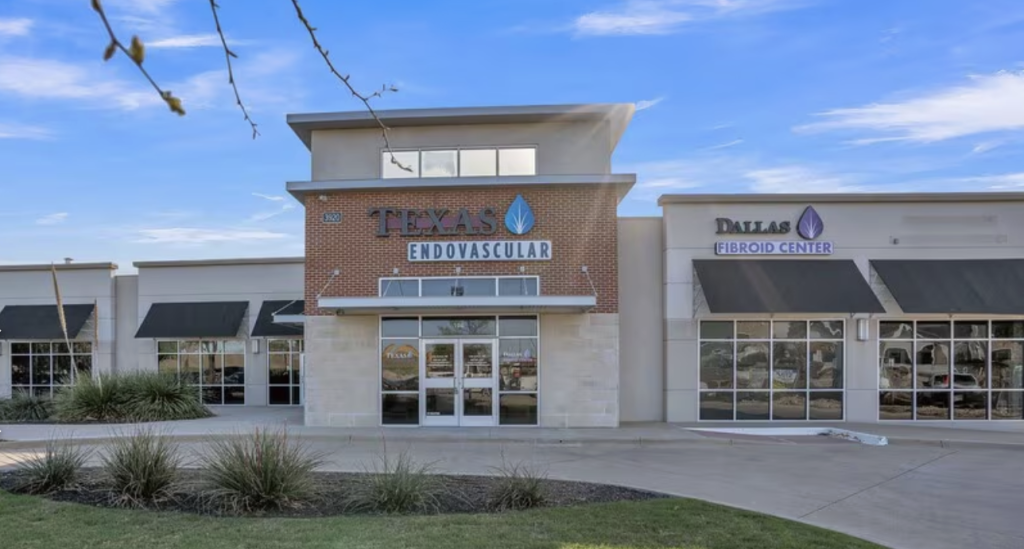
Texas Endovascular & Dallas Fibroid Center - Southwest Dallas (exterior)

3920 W Wheatland Rd, Suite 108, Dallas, TX 75237
Get directions ➔

Contact us: 
Phone:
(469) 214-5251
Fax: (713) 575-3688

Office Hours
Monday – Friday: 8am – 5pm
Saturday – Sunday: Closed

About our dallas clinic

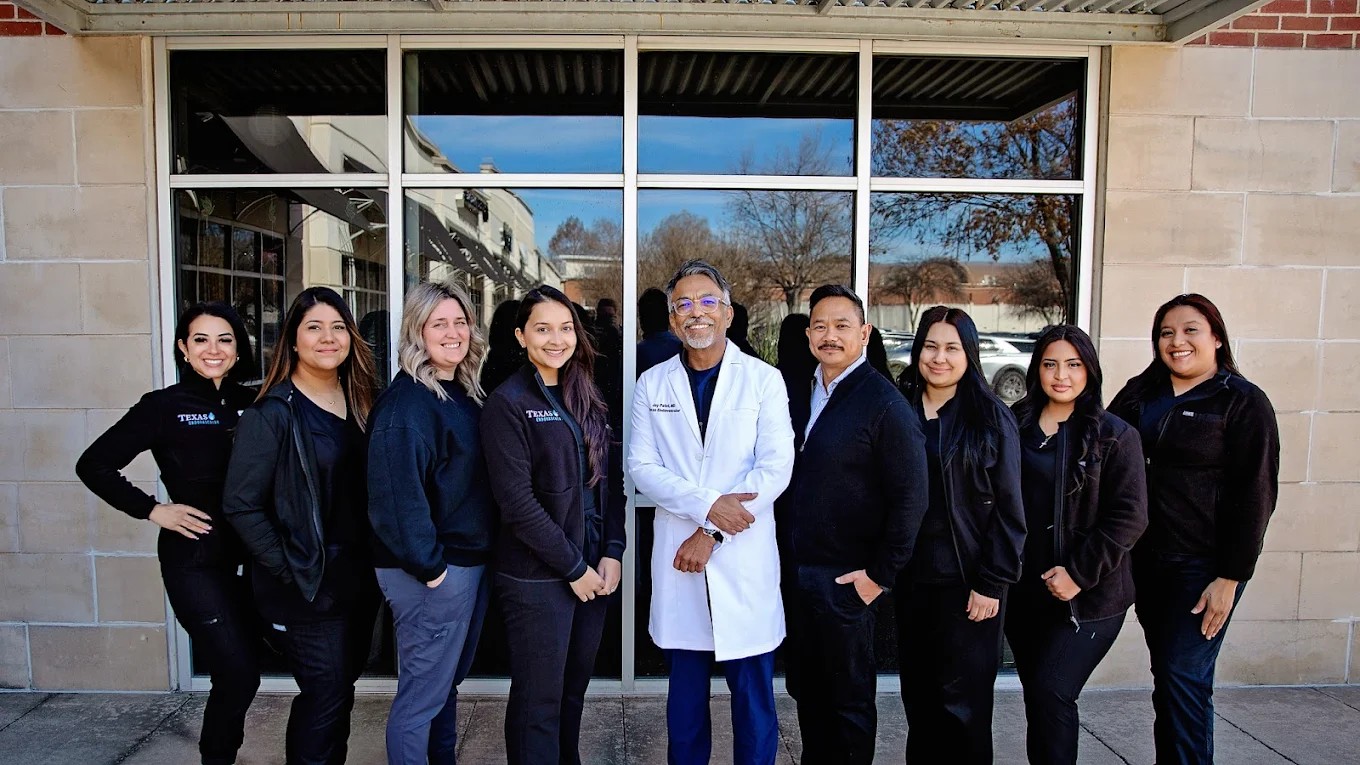
A different kind of vein clinic, serving Dallas and nearby communities

at a glance

Texas Endovascular - Dallas is an outpatient interventional radiology clinic at 3920 W Wheatland Rd, Suite 108, Dallas, TX 75237, in southwest Dallas. Dr. Jay Patel, a double board-certified interventional radiologist, diagnoses and treats vein disease here, including varicose veins, spider veins, and chronic venous insufficiency. Consultation, ultrasound, treatment, and follow-up all happen in this clinic.

Why patients choose our Dallas vein clinic

  • Care led by a board-certified interventional radiologist
  • Ultrasound evaluation and treatment in the same clinic
  • Outpatient procedures with no hospital stay
  • Insurance benefits verified and costs explained before your visit is scheduled
  • Se habla español: your physician and team members speak Spanish
Board-certified interventional radiologist

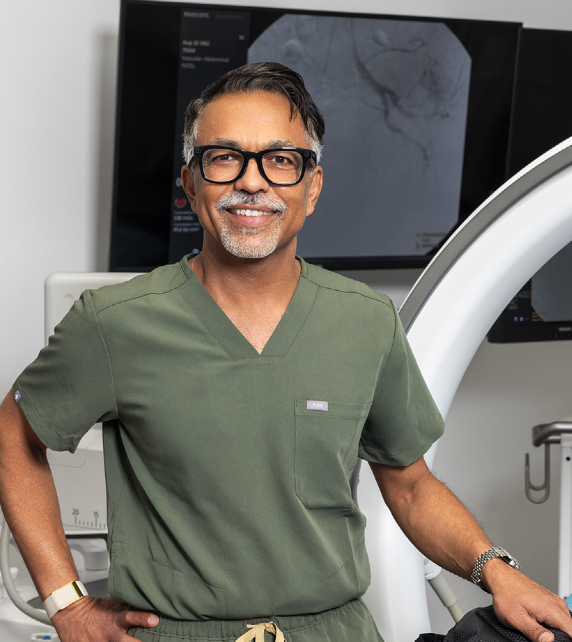
Meet Dr. Jay Patel

Former Chief of Interventional Radiology at Baylor Medical Center, now leading vein and vascular care at our Dallas clinic.
Dr. Patel has performed more than 10,000 interventional procedures. In Dallas he treats varicose veins and venous insufficiency in the office, and most patients walk out the same day. He also sees patients in Plano and Fort Worth, so ask when you call which days he is at the Dallas clinic and schedule at the location that works best for you. 

“My philosophy is simple: understand the patient, understand the problem, and recommend the least invasive treatment that can provide the best result. Sometimes that means a procedure, and sometimes it doesn’t.”

Advanced vein treatment in Dallas

What is vein disease?

Vein disease, also called chronic venous insufficiency (CVI), develops when the valves in your leg veins weaken or become damaged. Healthy valves keep blood moving up toward your heart against gravity. When they fail, blood pools in the legs instead of flowing normally.

CVI is one of the leading causes of varicose veins, leg swelling, skin changes, and chronic leg discomfort. Without treatment, vein disease often progresses over time, so early evaluation is important for protecting your long-term vascular health. Learn more about vein disease →

about vein disease

Vein disease symptoms

Vein disease is much more than a cosmetic concern. Many patients begin noticing symptoms that interfere with work, exercise, sleep, and everyday activities. Common symptoms include: 
  • Bulging or twisted veins
  • Night cramps
  • Restless legs
  • Leg aching or throbbing
  • Spider veins
  • Swelling in legs or ankles
  • Heaviness or fatigue
  • Itching or burning
  • Skin discoloration
  • Slow-healing leg ulcers
Symptoms often start mild and get worse over months or years. If several of these sound familiar, an ultrasound evaluation can show whether vein disease is the cause.

When to see a vein specialist

If your symptoms continue despite compression stockings, exercise, or elevating your legs, it may be time for an evaluation. Consider seeing a vein specialist if you have:

  • Leg pain or heaviness that gets worse through the day
  • Swollen ankles or lower legs
  • Bulging varicose veins
  • Skin changes or discoloration near your ankles
  • Sores on your legs or ankles that are slow to heal
  • A family history of vein disease

Sudden swelling, pain, warmth, or redness in one leg can be a sign of a blood clot and needs prompt medical attention.

Request an Appointment
Vein disease treatment

Vein treatment options in Dallas

Every plan starts with an ultrasound vein evaluation to find which veins are causing your symptoms. Your physician then recommends one or more outpatient treatments. Each is performed through a tiny catheter or needle puncture using ultrasound guidance, without traditional surgery.

How vein treatment works
  1. Map the veins. An ultrasound evaluation shows which veins are not working properly.
  2. Reach the vein through a pinhole. A thin catheter or needle is guided into the vein using ultrasound, with local numbing only.
  3. Close the faulty vein. The vein is sealed with radiofrequency heat, medical adhesive, or medication, depending on your treatment.
  4. Let healthy veins take over. Blood naturally reroutes to healthy veins, and symptoms typically ease as pressure in the leg drops.


Most patients return home the same day and resume normal activities within 24 to 48 hours.
Compare all vein treatment options →
Benefits of minimally invasive vein treatment

Outpatient, no hospital stay


No large incisions


Medically necessary treatment covered by Medicare and most major insurance plans

Real patient stories

What patients say about Texas Endovascular

Rated 5 stars by hundreds of Dallas vein patients
Come see us

Visiting our Dallas clinic

Our Dallas clinic is at 3920 W Wheatland Rd, Suite 108, in southwest Dallas, less than half a mile from Methodist Southwest Medical Center. Patients come from Duncanville, DeSoto, Cedar Hill, Lancaster, and Oak Cliff.

Dr. Patel also sees patients at our Plano clinic, so you can choose the location that fits your schedule.
Texas Endovascular - dallas FAQs

Common questions about vein treatment

Who treats vein disease at the Dallas clinic?

Dr. Jay Patel, a double board-certified interventional radiologist, sees vein patients in Dallas. He also sees patients in Plano, so ask when you call which days he is at each clinic.

Which vein treatments are available in Dallas?

Our Dallas clinic offers ultrasound vein evaluation, radiofrequency ablation, ultrasound-guided foam sclerotherapy, ambulatory phlebectomy, and cosmetic sclerotherapy. Consultation, treatment, and follow-up all happen in this clinic.

What causes varicose veins?

Varicose veins form when weakened vein valves let blood flow backward and collect, which stretches the vein. Family history, age, pregnancy, extra weight, and long periods of standing or sitting all raise the risk.

Are varicose veins dangerous?

Many varicose veins are not dangerous. Untreated vein disease can progress, though, and may raise the risk of skin changes, slow-healing ulcers, bleeding, and blood clots. An ultrasound evaluation shows whether your veins need treatment.

Which vein treatment is right for me?

It depends on which veins are affected and how severe the problem is. After an ultrasound evaluation, your physician may recommend radiofrequency ablation, sclerotherapy, ambulatory phlebectomy, or a combination.

Is vein treatment painful?

Vein procedures are performed with local numbing, and most patients report only mild discomfort. Your care team explains what to expect before, during, and after your procedure.

How long is recovery after vein treatment?

Most patients go home the same day and return to normal activities within 24 to 48 hours. You can usually walk out and resume light activity right away.

Does insurance cover vein treatment?

Medicare and most major insurance plans cover vein treatment when it is medically necessary. Treatment done for appearance only, such as cosmetic sclerotherapy for spider veins, is usually not covered. Our team verifies your benefits and explains what you can expect to pay before your visit is scheduled.

Do I need a referral to see a vein specialist?

Most patients can schedule directly without a physician referral. Some insurance plans require one, so check your plan or ask our team when you call and we can verify for you. 

Where is the Dallas clinic?

We are at 3920 W Wheatland Rd, Suite 108, Dallas, TX 75237, in southwest Dallas near Duncanville and DeSoto. Call (469) 214-5251 for directions or if you have any questions.

Additional CONDITIONS WE TREAT

Conditions we treat at our Dallas clinic

Every condition below is treated the same way, with a catheter guided through a pinhole in the wrist or groin. Not a different specialist for each one. 
One specialty, no large incisions, no hospital stay, and most patients return to normal activity within days.
stay up to date | Subscribe to our Newsletter

New treatments, plain-language answers, once a month

Our physicians write about the conditions we treat and the procedures that replace surgery; what is new, what the evidence says, and what it means for you. One email a month. Unsubscribe any time, and we never share your address.
Are you a referring physician?
Send imaging and clinical notes, get a same-week consult for your patient, and receive a written summary at one week, one month and four months. Your patient's routine care stays with you.
Schedule Now