Texas Endovascular Logo

281-690-5082 HOUSTON

houston, texas

PAD treatment in 
Central Houston

Leg pain when you walk, cramping that eases with rest, or a foot sore that won't heal can all be signs of peripheral artery disease (PAD). At Texas Endovascular in Houston, our board-certified interventional radiologists find where blood flow is limited and reopen narrowed leg arteries with minimally invasive, catheter-based procedures, without open surgery or a hospital stay.
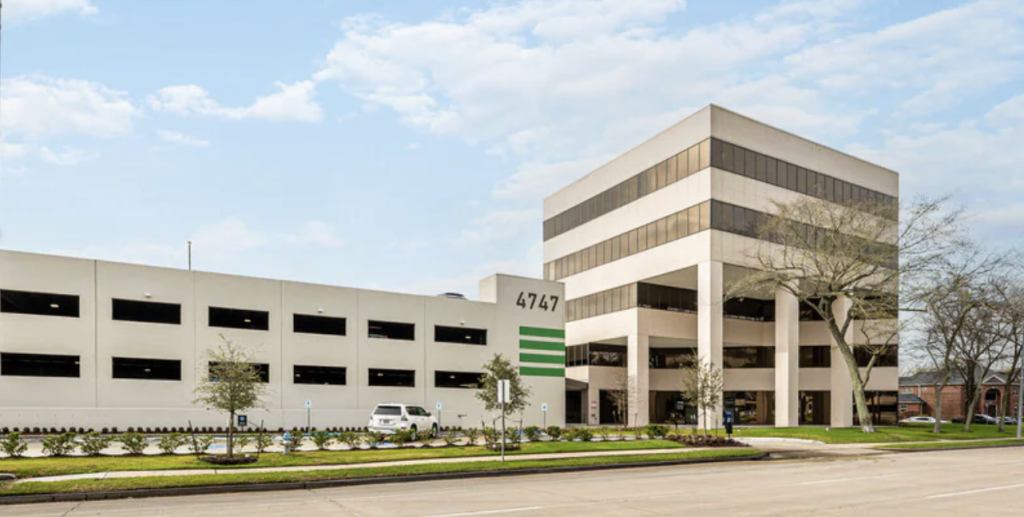
Texas Endovascular - Bellaire (exterior shot)

4747 Bellaire Blvd #550, Bellaire, TX 77401
Get directions ➔

Contact us: 
Phone:
(713) 489-6319
Fax: (713) 575-3688

Office Hours
Monday – Friday: 8am – 5pm
Saturday – Sunday: Closed

About our houston clinic

A different kind of vascular clinic, serving Central Houston and nearby communities

at a glance

Texas Endovascular's Houston clinic is an outpatient interventional radiology clinic at 4747 Bellaire Blvd, Suite 550, Bellaire, TX 77401, just west of Loop 610. Dr. William Fox, co-founder of the practice and the clinic's medical director, along with three other board-certified interventional radiologists diagnose and treat peripheral artery disease (PAD) here, including leg pain with walking (claudication), poor circulation in the legs and feet, and slow-healing foot and leg wounds.
Why patients choose our Houston clinic for PAD care

  • Care led by a board-certified interventional radiologist
  • Circulation testing and a clear treatment plan before any procedure
  • Same-day procedures through a small puncture, with no large incision
  • Insurance benefits verified and costs explained before your visit is scheduled
  • Spanish-speaking team members available
BOARD-CERTIFIED INTERVENTIONAL RADIOLOGIST

Meet our Houston PAD specialists

Four board-certified interventional radiologists treat peripheral artery disease across Greater Houston. Dr. Fox leads the Houston clinic, and our physicians rotate between locations, so ask when you call if you would like a specific doctor.
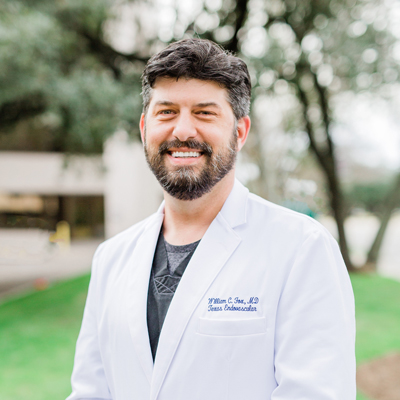
Portrait of Dr Fox

Dr. William Fox

Co-Founder · Medical Director, Houston
A native Houstonian with more than 25 years in interventional radiology. Dr. Fox has written for our patients about simple stretches that support blood flow in the legs with PAD.
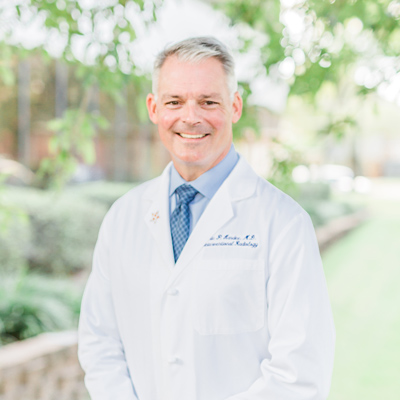
Portrait of Eric Hardee

Dr. Eric Hardee

Co-Founder · Medical Director, Katy
A U.S. Navy veteran with nearly 30 years of experience. Dr. Hardee reviews the medical content on our main PAD page and treats PAD in Houston and Katy.
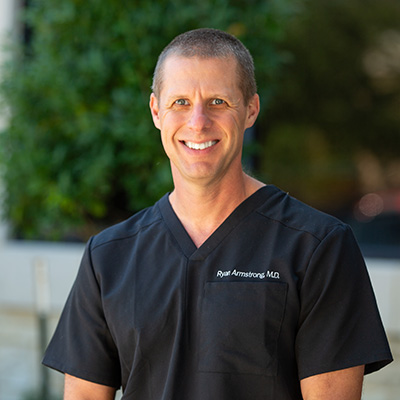
Ryan Armstrong

Dr. Ryan Armstrong

Board-Certified Interventional Radiologist
More than 16 years in practice, with a strong interest in new PAD research. Dr. Armstrong treats PAD in Houston, Sugar Land, and The Woodlands.

Dr. AJ Valenson

Board-Certified Interventional Radiologist · Bilingual (EN/ES)
Double board-certified, trained at Yale and Rush, and fluent in Spanish. Dr. Valenson leads the Clear Lake clinic and treats PAD across the Houston area.
PAD Treatment in houston

What is peripheral artery disease?

Peripheral artery disease (PAD) happens when plaque builds up inside the arteries that carry blood to your legs and feet. This buildup, called atherosclerosis, narrows the arteries and limits how much oxygen-rich blood reaches your leg muscles, especially when you walk or climb stairs.

PAD is common after age 50, and its symptoms are easy to mistake for normal aging. Because the same plaque can affect arteries elsewhere in the body, PAD also signals a higher risk of heart attack and stroke. Finding it early protects both your legs and your heart.

Learn more about PAD →

about pad

PAD symptoms & risk factors

The classic sign of PAD is claudication: cramping, aching, or tiredness in the calves, thighs, or hips when you walk that eases after a few minutes of rest. Other symptoms include:
  • Numbness, weakness, or heaviness in the legs
  • A cold lower leg or foot
  • Sores on toes, feet or legs that won't heal
  • Shiny skin/leg skin color changes
  • A weak or missing pulse in the legs or feet

Who is at risk? 

  • Smoking or past tobacco use (the strongest risk factor)
  • Diabetes
  • High blood pressure
  • High cholesterol
  • Age over 50
  • A family history of PAD, heart disease, or stroke
Many people with PAD have mild symptoms or none at all. If you have risk factors, a quick circulation test can tell you where you stand.

When to see a PAD specialist

Leg pain is not something you have to accept as part of getting older. Consider an evaluation if you have:

  • Leg pain or cramping that limits how far you can walk
  • Leg pain at night or at rest that eases when you hang your feet over the bed
  • A sore on your foot, toe, or leg that is slow to heal
  • Diabetes or a history of smoking along with leg symptoms
  • A previous PAD diagnosis and symptoms that are getting worse

A leg or foot that suddenly turns cold, pale, numb, or severely painful can mean blood flow has been cut off. Call 911 or go to the nearest emergency room.

Request an Appointment
Diagnosis

How is PAD diagnosed?

Your evaluation starts with a conversation about your symptoms and a check of the pulses in your legs and feet. The main screening test is the ankle-brachial index (ABI), which compares blood pressure at your ankle with blood pressure in your arm. It is quick and painless, and an ABI below 0.9 suggests PAD.

If more detail is needed, your physician may order a duplex ultrasound, CT angiography, or MR angiography to map exactly where an artery is narrowed and how severe it is. Learn about PAD testing →
pad treatment

PAD treatment options in Houston

Treatment depends on how narrowed the artery is and how much PAD affects your daily life. Early PAD is often managed with medication, a structured walking program, and quitting tobacco. When symptoms limit your walking or a wound won't heal, your physician may recommend reopening the artery from the inside:
  • Balloon angioplasty: A small balloon is inflated inside the narrowed artery to widen it and restore blood flow.
  • Stenting: A small mesh tube is placed to help hold the artery open.
  • Atherectomy: A tiny device on the end of a catheter removes plaque from inside the artery.
  • Medications: Medicines that can improve walking distance, lower cholesterol, and reduce the risk of clots.
How PAD treatment works
  1. Find the blockage. Imaging shows exactly where the artery is narrowed.
  2. Enter through a pinhole. After local numbing, a thin catheter is placed into an artery, usually in the groin, and guided to the blockage using live X-ray imaging.
  3. Reopen the artery. The narrowed section is widened with a balloon, cleared with atherectomy, or supported with a stent, depending on the blockage.
  4. Go home the same day. Most procedures take about an hour, and most patients return to light activity within a day or two.
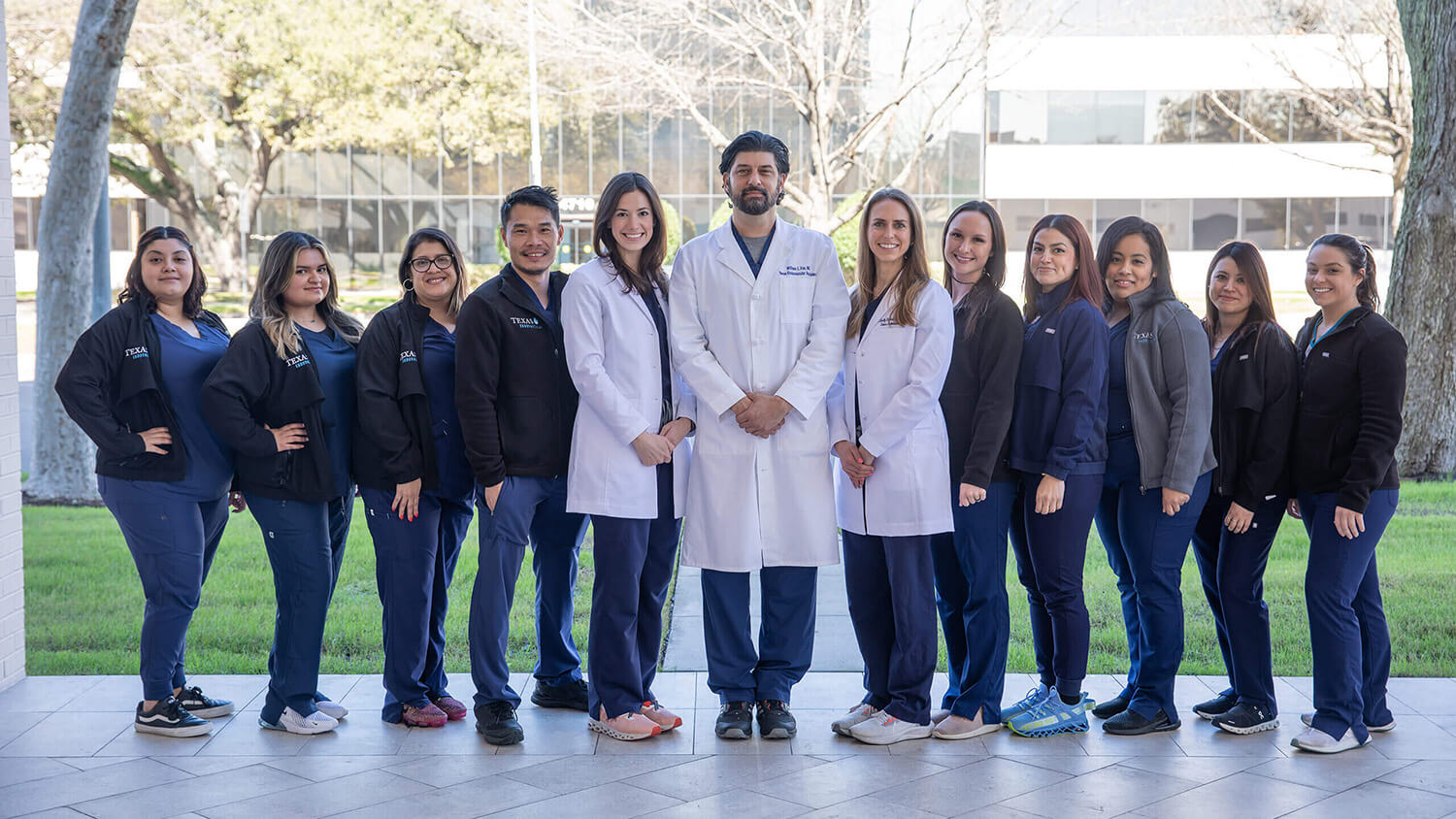
Dr. Fox and Central Houston Team

Benefits of minimally invasive PAD treatment

Outpatient, with no hospital stay


No large incisions, only a small puncture


Local numbing instead of general anesthesia


Medically necessary treatment covered by Medicare and most major insurance plans

Real patient stories

What patients say about Texas Endovascular

Rated 5 stars by hundreds of Houston PAD patients
Come see us

Visiting our Houston clinic

Our Houston PAD clinic is at 4747 Bellaire Blvd, Suite 550, a few minutes west of Loop 610 and convenient to the Texas Medical Center area, Meyerland, West University Place, and the Galleria.

If walking any distance is hard for you right now, mention it when you schedule and our team will help you plan your arrival. PAD care is also available at our Katy, Sugar Land, The Woodlands, and Clear Lake clinics.
Texas Endovascular - houston FAQs

Common questions about PAD treatment

Who treats PAD at the Houston clinic?

Dr. William Fox, the clinic's medical director, leads PAD care in Houston with Dr. Eric Hardee, Dr. Ryan Armstrong, and Dr. AJ Valenson. All four are board-certified interventional radiologists. Our physicians rotate between clinics, so ask when you call if you would like a specific doctor.

Which PAD treatments are available in Houston?

Our Houston clinic evaluates leg pain and poor circulation and offers balloon angioplasty, stenting, atherectomy, and medication management. Your physician recommends a plan after reviewing your symptoms and test results.

What is peripheral artery disease (PAD)?

Peripheral artery disease is a narrowing of the arteries that carry blood to your legs and feet, usually caused by plaque buildup (atherosclerosis). Less blood reaches your leg muscles, which can cause pain when you walk, numbness, and wounds that are slow to heal.

What are the early warning signs of PAD?

The most common early sign is cramping, aching, or tiredness in the calves, thighs, or hips when you walk that eases after a few minutes of rest. Other signs include a cold lower leg or foot, numbness or weakness, shiny or discolored skin, slower toenail growth, and sores on the feet or toes that won't heal. Some people have no symptoms at all.

How is PAD diagnosed?

Diagnosis usually starts with a review of your symptoms, a check of the pulses in your legs and feet, and an ankle-brachial index (ABI) test, which compares blood pressure at your ankle with blood pressure in your arm. An ABI below 0.9 suggests PAD. Duplex ultrasound, CT angiography, or MR angiography can show exactly where an artery is narrowed.

What happens if PAD is not treated?

PAD tends to get worse over time. Severe PAD can cause pain even at rest, wounds that won't heal, infection, and in the most serious cases, amputation. People with PAD also have a higher risk of heart attack and stroke, so treating PAD is part of protecting your overall heart health.

What is recovery like after angioplasty or stenting?

These procedures are done through a small puncture with local numbing, and most patients go home the same day. Light activity is usually fine within a day or two. You will need to avoid strenuous exercise and heavy lifting for a short time, and your care team will explain how to care for the puncture site.

Does insurance cover PAD treatment?

Medicare and most major insurance plans cover PAD treatment when it is medically necessary. Our team verifies your benefits and explains what you can expect to pay before your visit is scheduled.

Can PAD be reversed?

Plaque that has already built up does not simply go away, but PAD can be managed. Quitting tobacco, walking regularly, and controlling cholesterol, blood pressure, and diabetes can slow it down, and minimally invasive procedures can reopen narrowed arteries to improve blood flow.

Where is the Houston clinic?

We are at 4747 Bellaire Blvd, Suite 550, Bellaire, TX 77401, just west of Loop 610. Call (713) 489-6319 for directions or if you have any questions.

stay up to date | Subscribe to our Newsletter

New treatments, plain-language answers, once a month

Our physicians write about the conditions we treat and the procedures that replace surgery; what is new, what the evidence says, and what it means for you. One email a month. Unsubscribe any time, and we never share your address.
Are you a referring physician?
Send imaging and clinical notes, get a same-week consult for your patient, and receive a written summary at one week, one month and four months. Your patient's routine care stays with you.
Schedule Now