after stretching, orthotics &
injections have failed
that keeps improving vs.
weeks of relief from steroid shots
Interventional radiologists across Houston & DFW
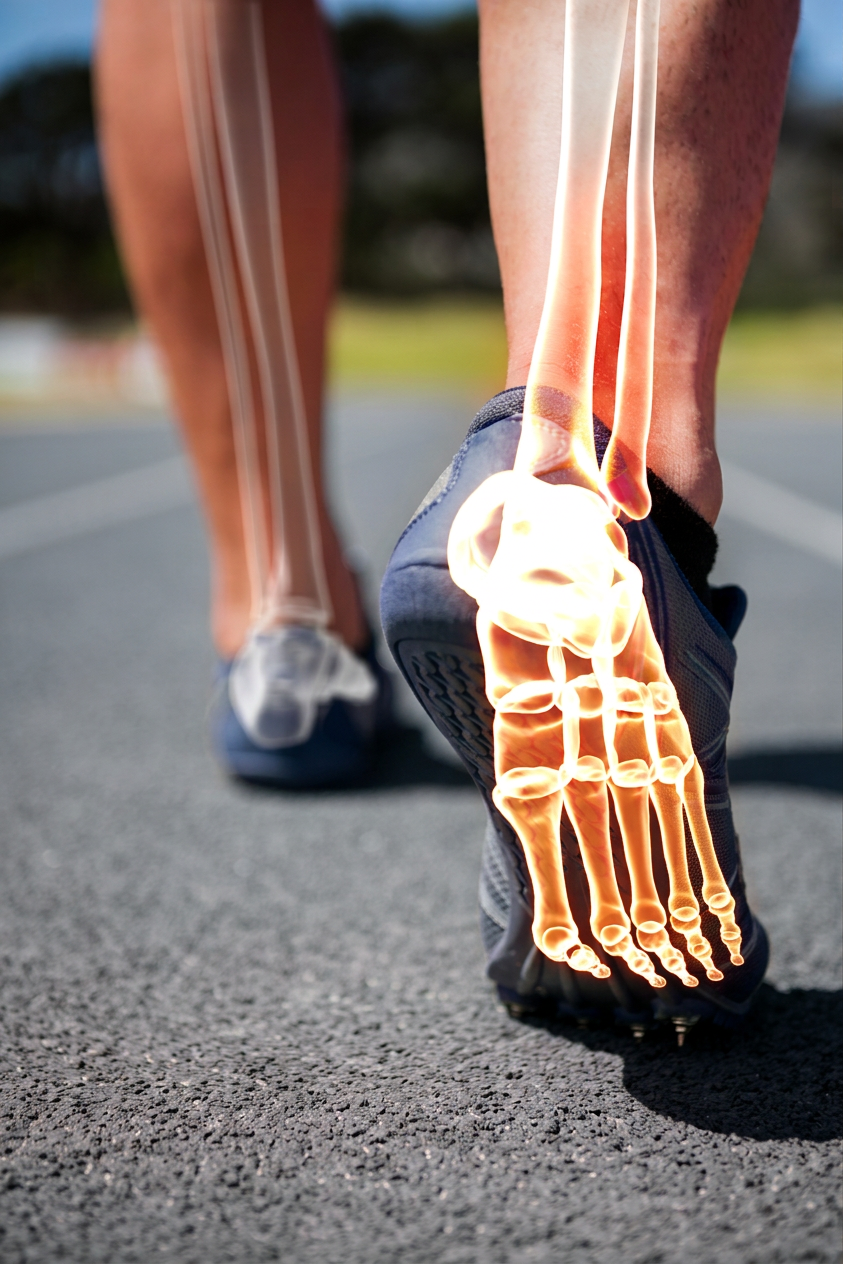
Overpronation (inward rolling of the foot and ankle), underpronation (outward rolling), high arches, and flat feet can place increased strain on the plantar fascia.
Running, dancing, prolonged standing, or increasing activity levels too quickly can cause microtears and inflammation.
Ill-fitting shoes, shoes with inadequate arch support, or shoes that offset your balance can place increased stress on the plantar fascia.
Muscle tightness in the calves and Achilles tendon can limit flexibility, leading to or worsening plantar fasciitis.
Obesity and excess weight add load to the fascia, contributing to microtears and inflammation.
New heel pain that usually responds to rest, stretching, and supportive footwear (often within weeks).
Pain lingers for months and returns whenever you're on your feet, despite conservative care, making everyday activities increasingly difficult.
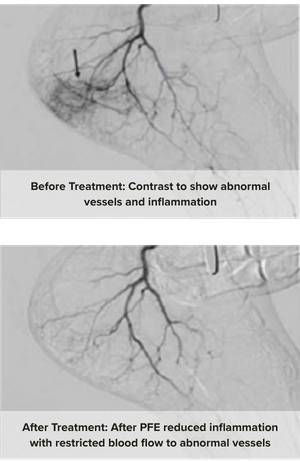
Lasting 6+ months, with abnormal vessels feeding the inflammation (the point where PFE is most valuable).
Calf and plantar fascia stretches, activity changes, and ice form the foundation of every treatment plan.
Custom or over-the-counter arch supports and night splints help reduce strain on the fascia as it heals.
Shockwave therapy stimulates healing in the fascia and may help, but results can be inconsistent.
Surgery to cut part of the fascia. A last resort, with incisions, risks, & weeks of limited weight-bearing.




| Treatment | Invasiveness | Anesthesia | Recovery/Rehab | Durability of relief |
|---|---|---|---|---|
| Plantar fasciitis embolization (PFE) WHAT WE DO | Minimally invasive (pinhole) | Local + light sedation | Minimal; walk same day | Durable (treats the source) |
| Steroid injections | Non-surgical (injection) | Local | Same day | Weeks–months (masks symptoms) |
| Stretching, orthotics + NSAIDs | Non-invasive | None | Ongoing (months) | Helpful; slow while inflammation persists |
| Shockwave therapy (ESWT) | Non-invasive | None/local | Several sessions | Variable; inconsistent response |
| Plantar fascia release surgery | Surgical | General/regional | Weeks of limited weight-bearing | High (higher risk of infection / nerve injury) |
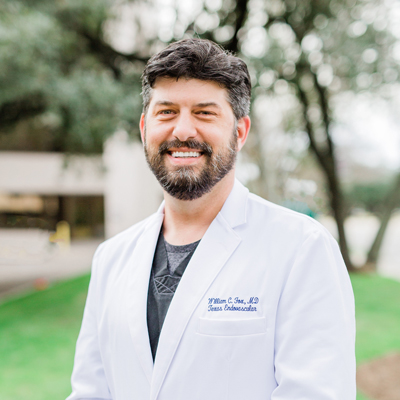
Fellowship-trained, board-certified interventional radiologists who specialize in PFE and other minimally invasive joint treatments.
Advanced imaging maps the vessels feeding your heel and guides each procedure for safer, more effective treatment.
Clinics throughout Houston and Dallas–Fort Worth make advanced heel-pain care easy to access close to home.


1331 West Grand Parkway
N, Suite 210
Katy, TX 77493


3920 W Wheatland Rd
Suite 108
Dallas, TX 75237
5425 W. Spring Creek Parkway
Suite 100
Plano, TX 75024
Diagnosis typically begins with a physical exam and a review of your symptoms and activity history. Your doctor will check for tenderness along the heel and arch. Imaging, such as ultrasound or X-rays, may help assess the plantar fascia, rule out other causes of heel pain, such as a stress fracture or heel spur, and guide treatment.
The most common early symptom is a sharp, stabbing pain under the heel, especially with your first steps in the morning or after sitting for a while. Pain may ease as you move but often returns after prolonged standing or activity. You may also experience stiffness and tenderness along the arch.
Many mild cases improve over several months with rest, stretching, supportive footwear, and activity modifications. However, if heel pain persists for more than three months or keeps returning despite conservative treatment, it may indicate chronic inflammation that requires further evaluation. This is a good time to discuss additional treatment options with a specialist, schedule a consult today!
Plantar fascia embolization (PFE) is a minimally invasive procedure that targets abnormal new blood vessels (neovascularization) associated with chronic inflammation in the plantar fascia. By reducing blood flow to these vessels, PFE aims to relieve inflammation and persistent heel pain. The outpatient procedure is performed using local anesthesia and light sedation, with no surgery on the foot or general anesthesia.
Explore our latest blog, Plantar Fasciitis Embolization (PFE): What Actually Happens During the Procedure?, for a closer look at each step of treatment.
You may be a good candidate if:
For appropriate candidates, PFE may offer a minimally invasive option to explore before considering surgery.
PFE is performed through a tiny pinhole puncture using local anesthesia and light sedation, with minimal discomfort for most patients. You return home the same day with a small bandage, and many patients can walk immediately after the procedure. Strenuous activity may be limited briefly to allow the foot to heal.
Most plantar fasciitis embolization procedures take under an hour and are performed in our outpatient centers in Houston and Dallas. You're awake and comfortable the whole time, and you go home the same day after a short observation period.
Minimally invasive heel-pain treatments may be covered by Medicare and most major insurance providers when medically necessary. Our team verifies your coverage before treatment and provides clear cost information up front, so you can move forward with confidence.
Relief following embolization can be long-lasting, with continued improvement over the first year. Unlike steroid injections, which often provide temporary symptom relief, embolization targets abnormal blood vessels associated with chronic inflammation in the plantar fascia. This makes PFE a potential option for patients whose heel pain persists despite injections and other conservative treatments.
Consider seeing a specialist if heel pain persists for more than three months, is worst with your first steps in the morning, or interferes with standing, walking, or daily activities, especially if stretching, orthotics, or injections haven't helped. Early evaluation can help identify the right treatment approach and preserve more options before symptoms become long-standing.
Looking to schedule an appointment? Call us today!
📌 Houston: (281) 690-5082 | 📌 Dallas: (469) 343-0265
Scheduling
Please contact our dedicated specialists to schedule a consultation today.