image-guided procedures,
no open surgery
with local anesthesia
and light sedation
than traditional joint
surgery, in most cases
Interventional radiologists
across Houston & DFW

FSE
Causes, symptoms, and nonsurgical options for chronic shoulder pain from frozen shoulder/adhesive capsulitis.

GAE
Genicular artery embolization (GAE) for chronic knee osteoarthritis (OA) pain when injections and therapy fall short.

PFE
Plantar fasciitis embolization (PFE) reduces blood flow to the abnormal vessels that keep the fascia inflamed, with no surgery.

TAE
Transarterial elbow embolization (TAE) for chronic elbow pain that has not responded to conservative treatment.

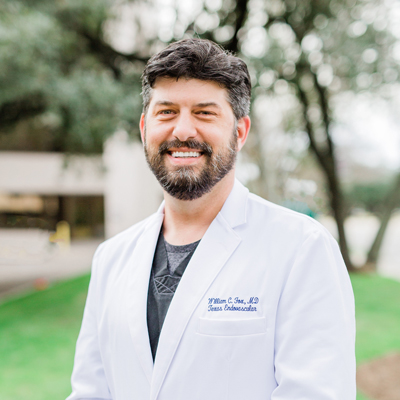



Board-certified, fellowship-trained interventional radiologists.
Image-guided targeting of the abnormal vessels, not the healthy joint.
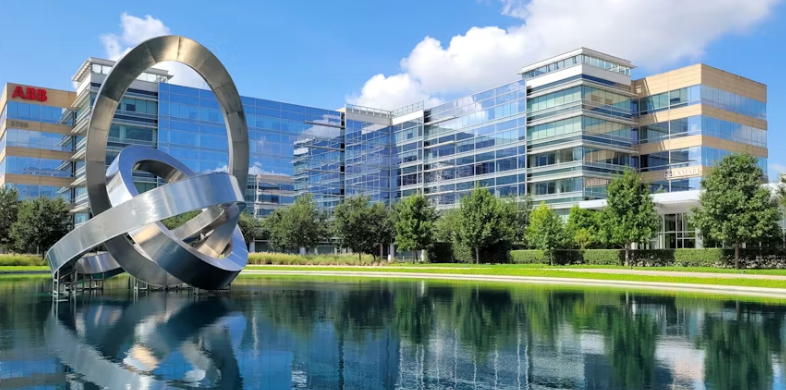
Clinics throughout Greater Houston and Dallas-Fort Worth.



1331 West Grand Parkway
N, Suite 210
Katy, TX 77493


3920 W Wheatland Rd
Suite 108
Dallas, TX 75237
5425 W. Spring Creek Parkway
Suite 100
Plano, TX 75024
Embolization is a minimally invasive, image-guided procedure that reduces the abnormal blood flow feeding a painful, inflamed joint. An interventional radiologist threads a tiny catheter to the arteries supplying the joint and places microscopic particles that calm the source of chronic pain, while healthy circulation is preserved.
Our team offers embolization for chronic knee osteoarthritis, frozen shoulder, tennis elbow, golfer's elbow, and plantar fasciitis. It is generally considered when pain has lasted several months and rest, therapy, and injections have not provided lasting relief.
You may be a candidate if you have had joint pain for several months and conservative care has not worked, but you are not ready for or want to avoid surgery. Your interventional radiologist will review your history and imaging to confirm whether embolization is right for you.
Embolization requires no incision on the joint and no general anesthesia. It is done through a pinhole in the wrist, groin, or ankle, depending on the joint, as a same-day outpatient procedure, with a faster return to activity than open surgery.
Most patients go home the same day and return to light activity within a day or two. Pain tends to ease over the first few weeks, with function continuing to improve over the following months.
Coverage varies by procedure and plan. Our team reviews your benefits and explains any costs before anything is scheduled.
Scheduling
Please contact our dedicated specialists to schedule a consultation today.