This article was medically authored by Dr. AJ Valenson and last reviewed for accuracy on 06/30/2026.
Do you have tired, heavy legs? Sometimes, symptoms of vein disease are very obvious, like when you notice bulging, dark veins on your legs. But other times, the symptoms are less visible. At the end of the day, do your legs just feel off? Are they tired, and feeling very heavy? Have you been diagnosed with restless leg syndrome?
As it turns out, all of those symptoms are signs of venous reflux disease. And that means that, if you answered yes to any of these questions, it’s time to see our Texas Endovascular specialists. That’s because you may have been suffering from vein disease for quite some time, even if you haven’t seen physical symptoms.
Key Takeaways
When your legs are healthy, the valves in their veins open and close with ease, helping blood return to your heart. When you have venous reflux, however, the valves don’t function fully. This allows blood to flow back down into your legs, pooling and stretching your veins. Then, over time, you will start to notice varicose veins, even if they haven’t yet appeared.
Why? Varicose veins become swollen (and sometimes painful) because they are filled with too much blood. People may think that varicose veins are just a cosmetic issue, but they are actually one more symptom of reflux, a condition that can become debilitating if allowed to progress.
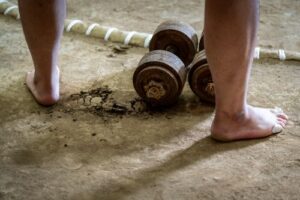
If you're not sure what we mean by heavy legs, think of it this way. When you walk, does it feel like you're wearing ankle weights? Then you may be dealing with venous reflux. Or, your leg heaviness could be a sign of poor circulation, or venous insufficiency.
With poor circulation, your lower extremities may not get enough oxygen-rich blood to support physical activity. (We call this condition venous insufficiency, or VI.) Like venous reflux, you need to treat VI early on or your symptoms will progress and worsen.
Additionally, with any form of vein disease, blood sits in your lower extremities for longer than it should. This symptom alone can weigh down your lower body. And that makes your legs feel heavy.
Left alone, vein disease could also cause pain, itching, swelling (edema), cramps, changes in skin color, and (you guessed it!) varicose veins, along with a slightly increased risk for blood clots.
If you have symptoms of venous reflux or insufficiency, we can perform a diagnostic ultrasound and confirm your diagnosis of venous reflux, venous insufficiency, or any other type of vein disease. Then, once we know what’s causing your heavy legs, we can start treatment right away.
Initially, we start with conservative treatment options like prescribing compression stockings, likely at a moderate pressure of between 20 and 30 mm/Hg. We may also help you begin a weight loss and exercise regimen to take pressure off your veins while strengthening the leg and calf muscles that can help push blood out of your legs and up to where it belongs. We’ll also make sure you’re elevating your legs whenever possible, since something as simple as putting your legs up against the wall can help reduce symptoms of vein disease such as swelling and heavy legs.
Of course, these measures alone won’t cure venous reflux—they’ll just help manage symptoms, and they may prevent disease progression. So, for patients who are seeking a permanent solution to venous reflux or other forms of vein disease, we invite you to request a consultation at one of our seven locations in the Houston and Dallas area. When you come in, we can discuss which of our minimally invasive vein treatment options will best suit your needs.
Scheduling
Please contact our dedicated specialists to schedule a consultation today.