after stretching, orthotics &
injections have failed
that keeps improving vs.
weeks of relief from steroid shots
Interventional radiologists across Houston & DFW
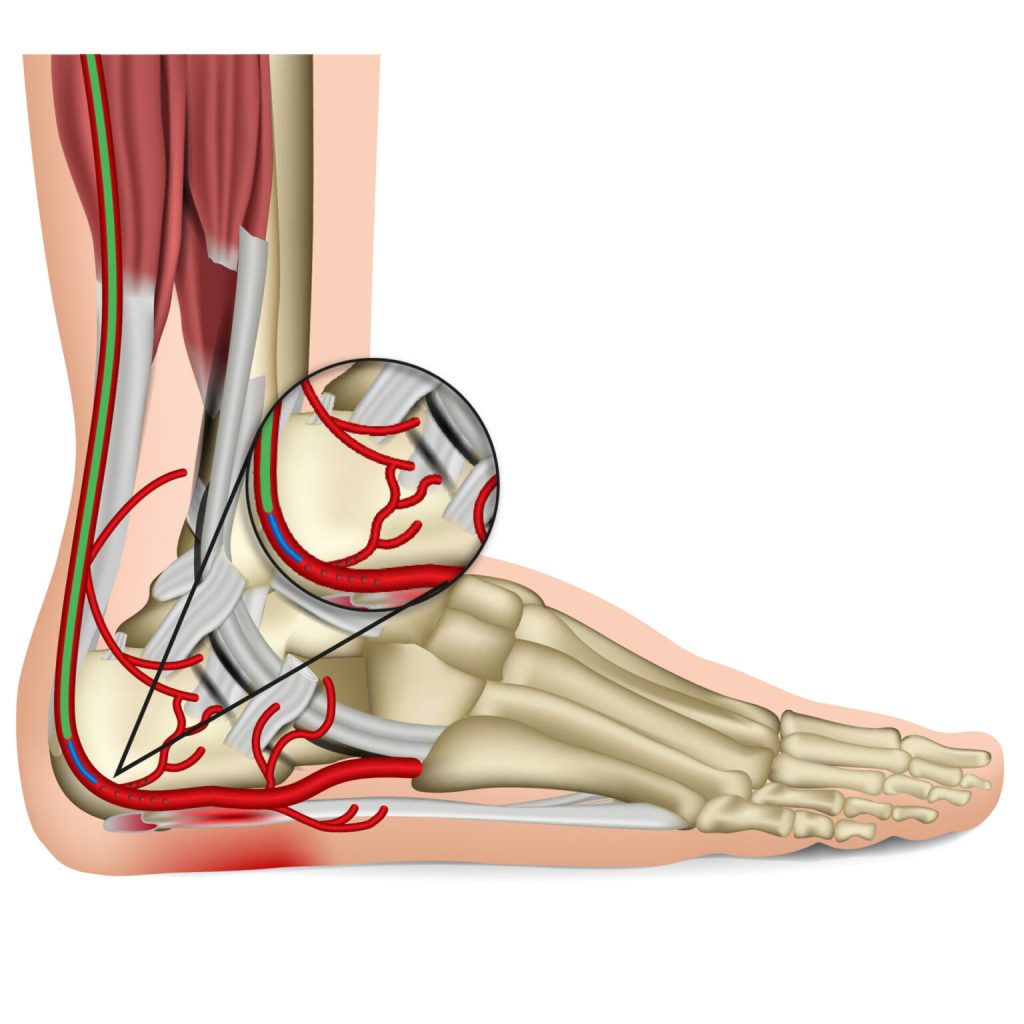
Overpronation (inward rolling of the foot and ankle), underpronation (outward rolling), high arches, and flat feet can place increased strain on the plantar fascia.
Running, dancing, prolonged standing, or increasing activity levels too quickly can cause microtears and inflammation.
Ill-fitting shoes, shoes with inadequate arch support, or shoes that offset your balance can place increased stress on the plantar fascia.
Muscle tightness in the calves and Achilles tendon can limit flexibility, leading to or worsening plantar fasciitis.
Obesity and excess weight add load to the fascia, contributing to microtears and inflammation.
New heel pain that usually responds to rest, stretching, and supportive footwear (often within weeks).
Pain lingers for months and returns whenever you're on your feet, despite conservative care, making everyday activities increasingly difficult.
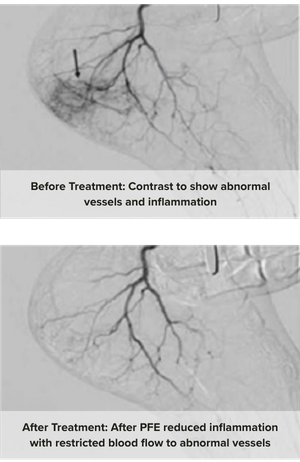
Lasting 6+ months, with abnormal vessels feeding the inflammation (the point where PFE is most valuable).
Calf and plantar fascia stretches, activity changes, and ice — the foundation of every treatment plan.
Custom or over-the-counter arch supports and night splints reduce strain on the fascia as it heals.
Anti-inflammatory medications and corticosteroid injections give quick but temporary relief.
Shockwave therapy stimulates healing in the fascia. Helpful, but relief can be inconsistent.
Surgery to cut part of the fascia. A last resort, with incisions, risks, & weeks of limited weight-bearing.



| Treatment | Invasiveness | Anesthesia | Recovery/Rehab | Durability of relief |
|---|---|---|---|---|
| Plantar fasciitis embolization (PFE) WHAT WE DO | Minimally invasive (pinhole) | Local + light sedation | Minimal; walk same day | Durable (treats the source) |
| Steroid injections | Non-surgical (injection) | Local | Same day | Weeks–months (masks symptoms) |
| Stretching, orthotics + NSAIDs | Non-invasive | None | Ongoing (months) | Helpful; slow while inflammation persists |
| Shockwave therapy (ESWT) | Non-invasive | None/local | Several sessions | Variable; inconsistent response |
| Plantar fascia release surgery | Surgical | General/regional | Weeks of limited weight-bearing | High (higher risk of infection / nerve injury) |
Fellowship-trained, board-certified interventional radiologists who specialize in PFE and other minimally invasive joint treatments.
Advanced imaging maps the vessels feeding your heel and guides each procedure for safer, more effective treatment.
Clinics throughout Houston and Dallas–Fort Worth make advanced heel-pain care easy to access close to home.



1331 West Grand Parkway
N, Suite 210
Katy, TX 77493


3920 W Wheatland Rd
Suite 108
Dallas, TX 75237
5425 W. Spring Creek Parkway
Suite 100
Plano, TX 75024
6620 Bryant Irvin Road
Suite 100
Fort Worth, TX 76132
Diagnosis usually starts with a physical exam and a review of your symptoms and activity history — your doctor will check for tenderness along the heel and arch. Imaging such as ultrasound or X-ray may be used to confirm inflammation, rule out other causes like a stress fracture or heel spur, and guide treatment.
The earliest sign is usually a sharp, stabbing pain in the bottom of the heel — most noticeable with your first steps in the morning or after sitting for a while. Pain often eases as you move but flares again after long periods of standing or activity. You may also notice stiffness and tenderness along the arch.
Many mild cases improve with rest, stretching, supportive footwear, and activity changes over several months. But when heel pain lasts longer than three months or keeps returning despite conservative care, the inflammation has often become chronic and is less likely to resolve without treatment — a good time to be evaluated.
Plantar fasciitis embolization (PFE) is a minimally invasive procedure that treats chronic heel pain by reducing the blood supply to abnormally formed blood vessels (neovascularization) feeding inflammation in the plantar fascia. It's performed as an outpatient procedure with local numbing and light sedation — no surgery on the foot and no general anesthesia.
You may be a good candidate if:
Plantar fascia release surgery cuts part of the fascia and carries higher risks of infection or nerve injury, followed by weeks of limited weight-bearing. Embolization works through a single pinhole with local numbing — there's no incision on the foot, most patients walk the same day, and downtime is minimal. It's often the option to consider before surgery.
The procedure is done through a pinhole with local numbing and light sedation, so discomfort is minimal — most patients report far less pain than surgery. You go home the same day with a small bandage, and many patients can walk right away, limiting strenuous activity for a short period as the foot heals.
Most plantar fasciitis embolization procedures take under an hour and are performed in our outpatient centers in Houston and Dallas. You're awake and comfortable the whole time, and you go home the same day after a short observation period.
Minimally invasive heel-pain treatments may be covered by Medicare and most major insurance providers when medically necessary. Our team verifies your coverage before treatment and provides clear cost information up front, so you can move forward with confidence.
Relief from embolization is typically durable and keeps improving over the first year. Unlike steroid injections, which provide quick but temporary relief and often "mask" symptoms, embolization addresses the pathological blood vessels fueling chronic inflammation — making it a strong option for patients who no longer respond to shots.
See a specialist if heel pain has lasted more than three months, is sharpest with your first morning steps, or limits standing, walking, or work — especially if stretching, orthotics, or injections haven't helped. Early evaluation keeps more treatment options open before the inflammation becomes chronic.
Scheduling
Please contact our dedicated specialists to schedule a consultation today.