This article was medically authored by Dr. William Fox and was last reviewed for accuracy on 06/24/2026.
If you suffer from heavy periods or pain with sex, these could be warning signs of several conditions, including leiomyoma (uterine fibroids) and adenomyosis. In fact, these uterine conditions have several overlapping symptoms. Additionally, they can be difficult to diagnose, leaving many women struggling to find the appropriate treatment for symptom relief. To help find the right diagnosis and treatment plan, this post highlights similarities and differences between adenomyosis vs. leiomyoma.
Key Takeaways
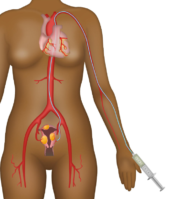
Whether you have uterine fibroid or adenomyosis, you may experience similar symptoms, including an enlarged uterus, heavy bleeding during your menstrual cycle, painful sex and pelvic pain. Despite these common symptoms, these are very different conditions—recognizing the differences will help you get an accurate diagnosis.
To begin with, leiomyoma (fibroids) are typically non-cancerous tumors that form in the uterus, or attached to the organ via stalk-like growths. Depending on the size and number of tumors in your uterus, you may experience one or more disruptive symptoms, many of which are shared by women with adenomyosis.
In contrast, adenomyosis is a condition in which your endometrial tissue grows into the muscles of your uterus, often leading to pelvic pain and heavy periods, among other concerns.
While the symptoms of these two conditions have common themes, the subtle differences between them can help you reach an accurate diagnosis.
Women who have adenomyosis note that:
In contrast, women with fibroids note that:
Pinpointing your symptoms and their timing can help you start the diagnosis conversation with a healthcare provider. But to truly tell the difference between adenomyosis vs leiomyoma, you will likely undergo a pelvic examination along with advanced imaging.
If you have fibroids, a transvaginal ultrasound will often be able to detect these uterine tumors. However, if you have adenomyosis, it may be more difficult to detect the migrated endometrial tissue with a transvaginal exam. As such, you may need an advanced doppler ultrasound or even an MRI to accurately diagnose adenomyosis.
Now that you understand the differences between adenomyosis vs leiomyoma, and have hopefully received an accurate diagnosis, we’d like to share one important similarity: our team at Texas Endovascular can treat both conditions—without surgery. How is that accomplished? In our seven locations in the Dallas and Houston area, we provide non-surgical, minimally invasive treatment for both adenomyosis and fibroids via uterine artery embolization. During this procedure, one of our interventional radiologists will block blood flow to your uterine fibroids and decrease blood flow to the tissue related to adenomyosis, allowing your tumors to shrink if you have fibroids, and relieving adenomyosis symptoms if your uterine tissue has grown into the organ's muscular wall. Want to learn more about UAE? Schedule an Appointment
Scheduling
Please contact our dedicated specialists to schedule a consultation today.