This article was medically authored by Dr. Eric Hardee and was last reviewed for accuracy on 06/23/2026.
When you look down at the veins in your legs, do they appear to be blue in color? Are you wondering, why are veins blue? In reality, the veins aren’t really blue—they only appear that way because of either how light is reflecting off your skin, or because of an underlying vein condition.
So, why are legs blue, and when is this color cause for concern? Keep reading to find out.
Key Takeaways
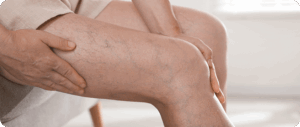
We all know that blood is red, so why do the veins that carry your blood sometimes appear blue in color? There are several possible explanations:
Now, some veins are more prominent than others, and may appear to have a darker blue color. (In some cases, they may even take on a purple tint.) So, how come some veins are bluer than others?
Some veins remain invisible, while others become visible from the surface of your skin. Certain factors can influence the color and visibility of your veins:
Typically, veins that are blue should not be cause for concern. In some cases, however, your veins appear to be blue due to underlying vein disease.
If you have veins that appear to be dark blue or purple, or veins that seem to bulge or twist, you may have varicose veins, and should consult a vascular specialist for further evaluation. You should also see a doctor if you experience any of the following symptoms of vein disease:
Without intervention, vein disease will progress and symptoms will worsen. You could develop venous leg ulcers, or experience bleeding from severe varicose veins. As such, you should seek treatment when symptoms first appear, preventing progression and serious complications.
If your veins are blue due to vascular disease, you may be able to manage your condition with lifestyle changes, such as reaching and maintaining a healthy weight, getting regular exercise, avoiding long periods of sitting or standing and wearing compression stockings.
When lifestyle measures fail to provide sufficient relief, our Texas Endovascular team can provide minimally invasive treatment to relieve symptoms and restore the healthy appearance of your legs.
Depending on your diagnosis and degree of progression, we may recommend:
The treatment we recommend will depend on your current state of health, severity of vein disease and personal preference. When you come into one of our seven locations in the greater Houston and Dallas regions, one of our team members will help you:
To get started, just reach out to our team and request a consultation
Scheduling
Please contact our dedicated specialists to schedule a consultation today.