Procedures performed
Go home same-day
Symptom relief rate
Interventional radiologists
A mother or sister with fibroids increases your likelihood of developing them.
Pregnancy, menopause, and birth control can all influence fibroid growth.
Higher body weight is associated with an increased risk of fibroids.
Low vitamin D levels have been linked to a greater chance of fibroid formation.
African-American women are more likely to develop fibroids, often earlier and larger.
Exposure to endocrine-disrupting chemicals may contribute to fibroid risk.
Form on the outside of the uterus and may press on nearby organs such as the bladder or bowel.
Connected to the uterus by a stalk-like growth; twisting can cause sudden, sharp pain, cramping, and discomfort.
Harden as calcium builds up over time, making them larger and more difficult to manage or treat.
Grow beneath the uterine lining, often causing heavy menstrual bleeding, cramping, and fertility issues.
Develop within the muscular uterine wall, often causing pelvic pain, heavy bleeding, and menstrual irregularities.
Heavy bleeding, painful periods, fatigue, or pelvic pressure can affect daily life and may be signs it’s time to see a specialist.
No hospital stay. Most patients go home within hours.
A single pinhole in the wrist or groin. No abdominal cut.
Every fibroid is targeted in a single session, regardless of count.
No hysterectomy. Your uterus and potential fertility, stay intact.
With uterine fibroid embolization, you don't need major surgery to find freedom from heavy bleeding, pelvic pain, and pressure. This outpatient procedure offers faster recovery, preserves the uterus, and delivers effective, lasting results.

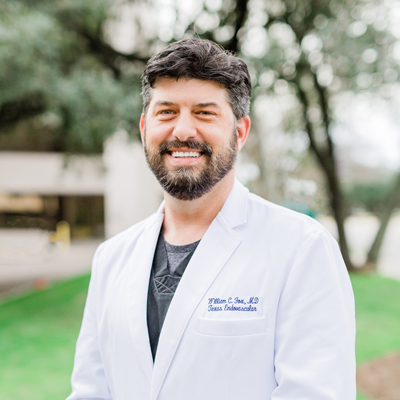



Board-certified interventional radiologists deliver expert care using the latest minimally invasive fibroid treatments.
Advanced imaging technology plans and guides each procedure with precision for safer, more effective outcomes.
Clinics throughout Houston and Dallas–Fort Worth make advanced fibroid care easy to access close to home.





1331 West Grand Parkway
N, Suite 210
Katy, TX 77493



3920 W Wheatland Rd
Suite 108
Dallas, TX 75237
5425 W. Spring Creek Parkway
Suite 100
Plano, TX 75024
Uterine fibroids are benign (non-cancerous) tumors that grow from the smooth muscle cells of the uterus. While their exact cause is unknown, hormones are known to promote their development. Some women have no symptoms, but many experience symptoms that significantly affect their quality of life, including heavy menstrual bleeding, pelvic pain or pressure, and bulk-related symptoms such as urinary frequency.
Fibroids are the most common pelvic tumor in women, and they are more common in African-American women. By age 35, 40% of Caucasian women and 60% of African-American women will have fibroids.
By age 50, that rises to 70% of Caucasian women and more than 80% of African-American women, who are also more likely to experience symptoms.
The symptoms of uterine fibroids fall into three main groups: heavy menstrual bleeding, pelvic pain, and bulk symptoms related to the size or position of the fibroids.
Heavy menstrual bleeding is the most common symptom and can lead to anemia and severe fatigue. For some women, bleeding is heavy enough to cause them to miss work or avoid normal activities, and in severe cases it can require blood transfusions.
Pelvic pain affects nearly two-thirds of women with symptomatic fibroids, and it is the dominant symptom in more than 10% of patients.
Bulk symptoms are caused by the size and location of the fibroids. Large fibroids can cause bloating, pressure, or heaviness, as well as painful intercourse. Pressure on the bladder can cause urinary frequency, and large fibroids may also lead to low back pain, constipation, and leg pain, swelling, or heaviness.
Uterine fibroids are often diagnosed through a review of your medical history and confirmed with a pelvic ultrasound. Because fibroids don’t always cause symptoms, they may also be discovered incidentally during a routine pelvic exam or imaging.
If you experience symptoms such as heavy menstrual bleeding, pelvic pain or pressure, or frequent urination, an ultrasound is typically the first step in evaluating whether fibroids may be the cause. Once fibroids are confirmed, your provider can discuss treatment options based on your symptoms and individual needs.
If you’re considering uterine fibroid embolization (UFE), a pelvic MRI is typically performed to provide a more detailed view of the fibroids, uterus, and surrounding structures to help determine whether UFE is appropriate.
No, it is not necessary to treat all uterine fibroids. Many women with fibroids are completely asymptomatic and don't need treatment. Care is usually reserved for women experiencing symptoms such as heavy bleeding, pelvic pain, or bulk symptoms like urinary frequency.
Fibroid treatment ranges from monitoring and medication to minimally invasive procedures such as uterine fibroid embolization (UFE) and surgery such as myomectomy or hysterectomy. Not every fibroid needs treatment, and fibroids that cause no symptoms are often simply monitored. The right option depends on your symptoms, your goals, and whether you want to keep your uterus. Compare all fibroid treatment options.
No, a hysterectomy is not the only treatment option for uterine fibroids. Although hysterectomy remains a common treatment, many women are unaware of less invasive alternatives that may help relieve their symptoms while preserving the uterus.
Uterine fibroid embolization (UFE) is a non-surgical alternative for women with symptomatic fibroids who want to avoid major surgery.
Performed as an outpatient procedure, UFE typically offers a shorter recovery than hysterectomy and does not require a large abdominal incision. The American College of Obstetricians and Gynecologists (ACOG) has recognized uterine artery embolization as a safe and effective treatment option for appropriately selected women with fibroids who wish to retain their uterus.
Uterine fibroid embolization (UFE) is a minimally invasive outpatient procedure that treats fibroids by blocking their blood supply, causing them to shrink over time and helping relieve symptoms.
During the procedure, a board-certified interventional radiologist inserts a thin, flexible catheter through a small puncture in an artery in the wrist or groin. Using X-ray guidance and angiography to map the blood vessels, the physician guides the catheter into the uterine arteries and injects tiny particles that block blood flow to the fibroids while preserving the surrounding uterus.
UFE does not require a hospital stay, and most patients return home the same day to recover. Unlike a hysterectomy, it does not involve a large surgical incision or leave a significant visible scar.
Many women return to work and normal activities within about a week, although recovery varies by patient. UFE offers an effective alternative to major surgery for appropriately selected women who want to preserve their uterus.
The main difference is that UFE preserves the uterus while a hysterectomy removes it. Both treat fibroids effectively, but they differ significantly in invasiveness, recovery, and scarring.
A hysterectomy is major surgery. It typically requires a 4–6 week recovery, significant time off work, and leaves a surgical scar — a horizontal scar that can be hidden by a swimsuit if the uterus is small enough, or a more noticeable vertical midline scar if the uterus is moderately sized or larger. Women who form keloids may develop larger, more visible, and sometimes painful scars.
UFE is an outpatient, non-surgical procedure with minimal downtime. Most women resume normal activity and return to work after about one week. We perform UFE through an artery in the wrist, which allows faster recovery and leaves no noticeable scar. A 2008 ACOG practice bulletin confirms uterine artery embolization as a safe and effective option for women who wish to retain their uterus.
Yes, women with multiple fibroids are usually excellent candidates for UFE, because the procedure treats all fibroids at once. During UFE, tiny particles are injected into the uterine arteries and flow downstream to shut off the blood supply to every fibroid simultaneously.
When their blood supply is blocked, fibroids gradually shrink and symptoms improve. Multiple fibroids can be treated in a single minimally invasive, non-surgical outpatient procedure.
Adenomyosis occurs when tissue similar to the uterine lining grows into the muscular wall of the uterus, causing heavy menstrual bleeding, painful cramps, bloating, and pelvic pain or pressure. Because ultrasound may not always detect adenomyosis, a pelvic MRI can provide a more detailed evaluation before treatment.
Yes, UFE can treat adenomyosis. While medications and hormonal IUDs help many patients, uterine artery embolization (UAE) offers a minimally invasive alternative to hysterectomy for women who want to avoid major surgery. Studies have reported short-term symptom improvement in more than 90% of patients, while one long-term study found that 82% avoided hysterectomy more than seven years after embolization.
Uterine fibroid embolization (UFE) is highly effective at relieving fibroid-related symptoms. In one long-term study, among patients who did not require additional intervention, heavy menstrual bleeding improved in 97% and bulk-related symptoms improved in 92%.
These symptoms can include pelvic pain or pressure, frequent urination, and abdominal fullness. Patient satisfaction is also high, with studies reporting that the majority of patients are satisfied with their results.
Read the published research on long-term UFE outcomes and symptom relief and patient satisfaction after UFE.
Yes, many women have had successful pregnancies after UFE. However, research on fertility and pregnancy outcomes after UFE is still evolving.
Women who wish to preserve fertility may also consider a myomectomy, which surgically removes fibroids and may improve fertility.
The best option depends on your fibroids, reproductive goals, and overall health. Discuss both options with your doctor to determine which is right for you.
Most major insurance plans cover UFE as an established treatment for uterine fibroids. Because we perform UFE in our outpatient office, your out-of-pocket costs may be significantly lower than hospital-based treatment.
Our experienced team works directly with your insurance company to verify coverage and address questions before your procedure.
Scheduling
Please contact our dedicated specialists to schedule a consultation today.