Advanced Vein Treatments at Texas Endovascular
The best time to treat and care for vein-related issues without extensive surgeries.
At Texas Endovascular, we understand the worry that can come with vein-related conditions and diseases.
Whether you’ve recently been diagnosed with a vein condition, such as varicose veins, or are experiencing symptoms consistent with a more serious venous disease, we are here to help you feel and look your best— every step of the way.
Our highly-trained team of physicians and medical staff are experienced in advanced non-surgical alternative vein treatments and provide top-tier care to help treat your vein diagnosis in a healthy and impactful way.
Let’s explore vein treatments offered at Texas Endovascular in more detail.
Comprehensive Vein Diagnosis in Houston & Dallas
The first step to better vein health is determining the underlying cause of your vein-related symptoms.
Because various vein conditions and diseases can cause an array of similar symptoms, expert consultation and diagnosis are crucial to determining precisely what you’re experiencing.
It is also important to note that a proper vein diagnosis allows you to receive the best treatment options available for your unique health and wellness needs.
One of the most straightforward ways to provide a comprehensive vein diagnosis is through ultrasound vein evaluation.
During your initial consultation with our Texas Endovascular team, you will receive a thorough evaluation of all the veins in your legs and a screening for arterial disease, which can be performed via ultrasound.
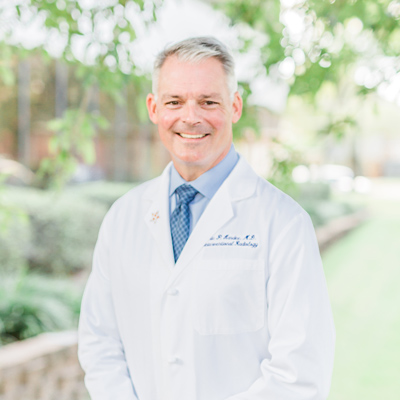
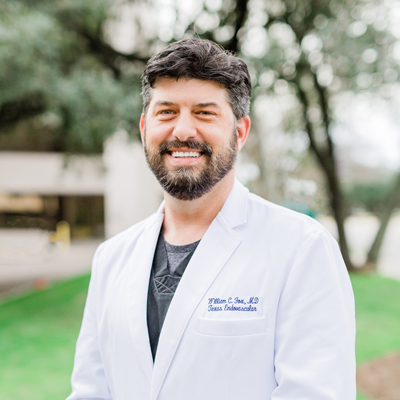
Dr. Hardee, Dr. Valenson, or Dr. Fox will thoroughly interpret your ultrasound results in the office to ensure the most accurate diagnosis.
Then, we will discuss treatment options with you and answer any questions about the treatment and recovery process.
A personalized diagnosis is vital to effective vein treatment.
Types of Vein Conditions we Treat in Houston & Dallas
Various vein treatments can help improve symptoms and vein health quickly.
At Texas Endovascular, we proudly offer:
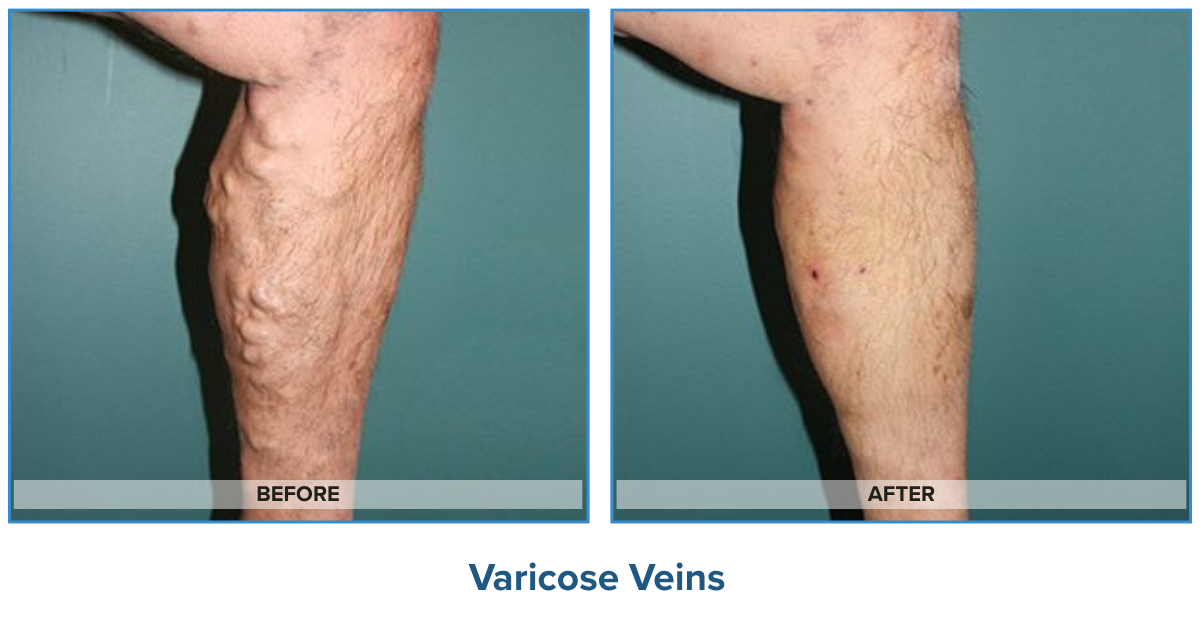
- Ultrasound-guided foam sclerotherapy – a minimally invasive outpatient procedure used to treat varicose veins and other problems caused by venous insufficiency using a tiny needle and an ultrasound guide to inject medication into the affected area.
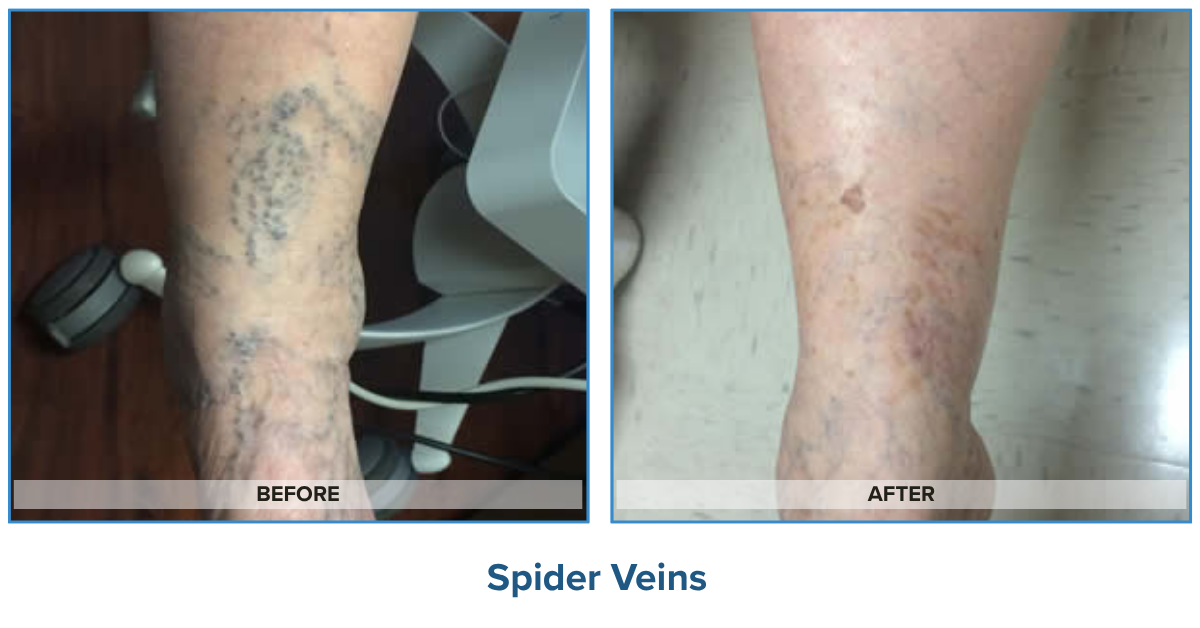
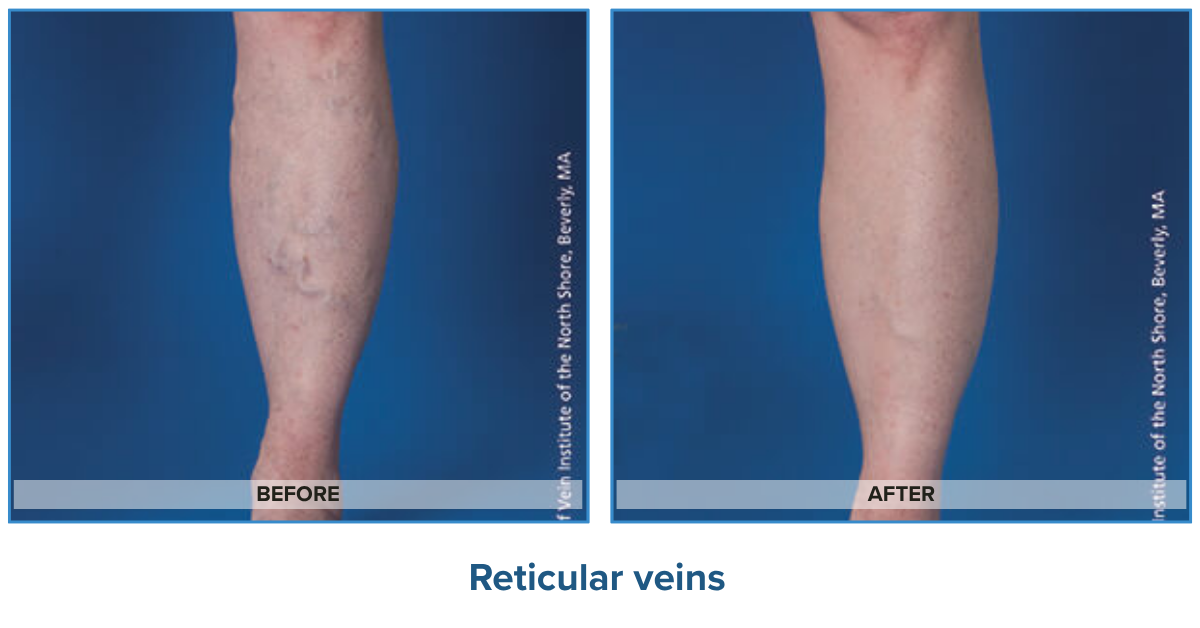
- Sclerotherapy – similar to the ultrasound-guided option, this cosmetic procedure utilizes a small needle to inject medication into spider and small varicose veins to lessen their appearance and mitigate symptoms.
- Radiofrequency ablation – a minimally invasive procedure that treats varicose veins and venous insufficiency by inserting a catheter into an abnormal vein and supplying it with heat energy to close it off permanently.
- Radiofrequency perforator ablation – a procedure specializing in treating perforator veins– short connections between your deep and superficial veins. The perforator veins are closed and cut off from abnormal blood flow between the deep and superficial veins using radiofrequency energy.
- Ambulatory phlebectomy (varicose vein removal) – a surgical procedure used to remove bulging varicose veins located just below the skin. Several tiny incisions are made to extract the bulging varicose veins. Since the incisions are so small, stitches are not required. The procedure is called “ambulatory” because the patient can walk normally immediately after treatment.
- Varicocele embolization – a minimally invasive image-guided procedure that delivers material to block blood flow to the swollen vein in the scrotum. A tiny incision is made in the groin or the neck, and a catheter is guided to the site of the varicocele. Coils or other materials are inserted in the enlarged vein to block blood flow and divert it to healthy veins.
Learn more about: Spider Vein Treatment | Post Treatment Compression
Advanced Vein Treatment at Texas Endovascular
Your vein health matters to us.
If you’re living with vein disease or are experiencing new or worsening symptoms consistent with a vein-related condition, our team of caring and compassionate experts can help with state-of-the-art diagnosis and vein treatments. Schedule an appointment at one of our Houston and Dallas area vein clinics today for further care.
Frequently Asked Questions about Vein Treatments
How long will the appointment take?
Your initial consultation should take about 30-45 minutes. During your appointment, you'll meet one of our physicians (Dr. Fox, Dr. Hardee, or Dr. Valenson.)Then, the doctor will discuss your current symptoms and health history. At this point, we will know if you need a diagnostic ultrasound of your legs.
The ultrasound appointment takes about an hour. One of our registered vascular technologists (RVT) performs the exam. Then, one of our doctors will discuss your results.
Will I see a physician?
Yes, you will see Dr. Fox if your appointment is at the Houston office. You will see Dr. Hardee at the Katy office. And Dr. Valenson now accepts patients at our Webster office.
What should I bring to my consultation?
Please bring your insurance cards and your driver’s license. It's also helpful to bring a list of your current medications, previous records and tests (if applicable).
How should I prepare for my ultrasound appointment?
There are no major preparations for the ultrasound. We recommend drinking plenty of fluids the night before the appointment. There are no restrictions prior to your appointment. You can keep taking your prescribed medications. Also, you can eat and drink before the appointment.
What insurances do you take?
We accept most major insurance plans, including Medicare and Medicaid.
[geot_filter_city region="dallas1"]
Please call the office at (469) 341-5997 with your insurance information.
[/geot_filter_city]
[geot_filter_city region="houston1"]
Please call the office at (713) 575-3686 with your insurance information.
[/geot_filter_city]
[geot_filter_city exclude_region ="houston1,dallas1"]
Please call the office at (713) 575-3686 (Houston) or (469) 341-5997 (Dallas) with your insurance information.
[/geot_filter_city]
We'll be happy to to see if your insurance plan covers vein treatments.
How much experience do the doctors have?
Dr. Hardee has practiced radiology and interventional radiology in the Houston and Dallas area for 13 years. He graduated with honors from Louisiana State University and Baylor College of Medicine, where he was elected to the Alpha Omega Alpha Honor Society. Then, he completed his internship and residency in radiology at the Naval Medical Center in San Diego, and was elected chief resident. After proudly completing his nine years of service as a U.S. Navy officer, Dr. Hardee received fellowship training in vascular and interventional radiology at the Dotter Interventional Institute at Oregon Health Sciences University.
Dr. Fox earned his medical degree at the University of Texas Medical Branch. After graduation, he relocated to Richmond, Virginia. There, Dr. Fox completed his internship, residency, and fellowship in vascular and interventional radiology at the prestigious Medical College of Virginia. Next, he joined the faculty at the Medical College of Virginia as an assistant professor and director of resident and fellow education in the department of vascular and interventional radiology. During his tenure, Dr. Fox completed thousands of endovascular procedures, concentrating on advanced techniques for treating arterial disease, uterine fibroid embolization, and venous insufficiency. He also cared for patients at VCU Vein Care, and served as one of the co-founders of the Baird Vascular Institute.
Dr. Valenson graduated with Honors from the University of Houston, before going to Yale School of Medicine in New Haven, Connecticut. There Dr. Valenson was a proud volunteer, working with under-served communities, as well as engaging in cancer and orthopedic research. He then completed a surgical internship at Cook County Hospital and Rush University Medical Center in Chicago, before returning to Yale to complete residency training in diagnostic radiology. Dr. Valenson then returned to Chicago, receiving advanced fellowship training in Interventional Radiology at Rush University Medical Center.
What is an vascular interventional radiologist?
Vascular interventional radiologists are board-certified physicians who specialize in minimally invasive, targeted treatments. They offer the most in-depth knowledge of the least invasive treatments available. That experience couples with diagnostic and clinical experience across all specialties. They use ultrasound, X-rays, MRI, CT scans and other imaging to advance a catheter into your body, usually in a vein or an artery. That way, our experts can treat you at the source of the disease internally. Today many conditions that once required surgery can be treated less invasively thanks to interventional radiology. Our treatments offer less risk, less pain, and less recovery time compared to open surgery.
Do you carry compression stockings?
We offer medical grade (20-30mmHg) knee high and thigh compression stockings at our offices. Our clinical staff will measure your legs to ensure a custom fit for the compression stockings.
Do I need a referral?
Most insurance plans do not require a referral to schedule a consultation. There are some insurance plans (mainly HMO) that require a referral from your primary care physician.
[geot_filter_city region="dallas1"]
Please call the office at (469) 341-5997.
[/geot_filter_city]
[geot_filter_city region="houston1"]
Please call the office at (713) 575-3686.
[/geot_filter_city]
[geot_filter_city exclude_region ="houston1,dallas1"]
Please call the office at (713) 575-3686 (Houston) or (469) 341-5997 (Dallas) to schedule your consultation and we will be able to help you.
[/geot_filter_city]
What is venous reflux disease?
Healthy leg veins have valves that keep blood flowing to the heart. Venous reflux disease, also known as chronic venous disease, develops when the valves stop working properly. That allows blood to flow backward (reflux). And when that happens, it pools in the lower leg veins. Left untreated, venous reflux disease symptoms get worse over time.
As a result, vein valves will not close properly, leading to symptoms such as:
- Varicose veins
- Leg pain, aching or cramping
- Leg or ankle swelling
- Leg heaviness and fatigue
- Skin changes or rashes
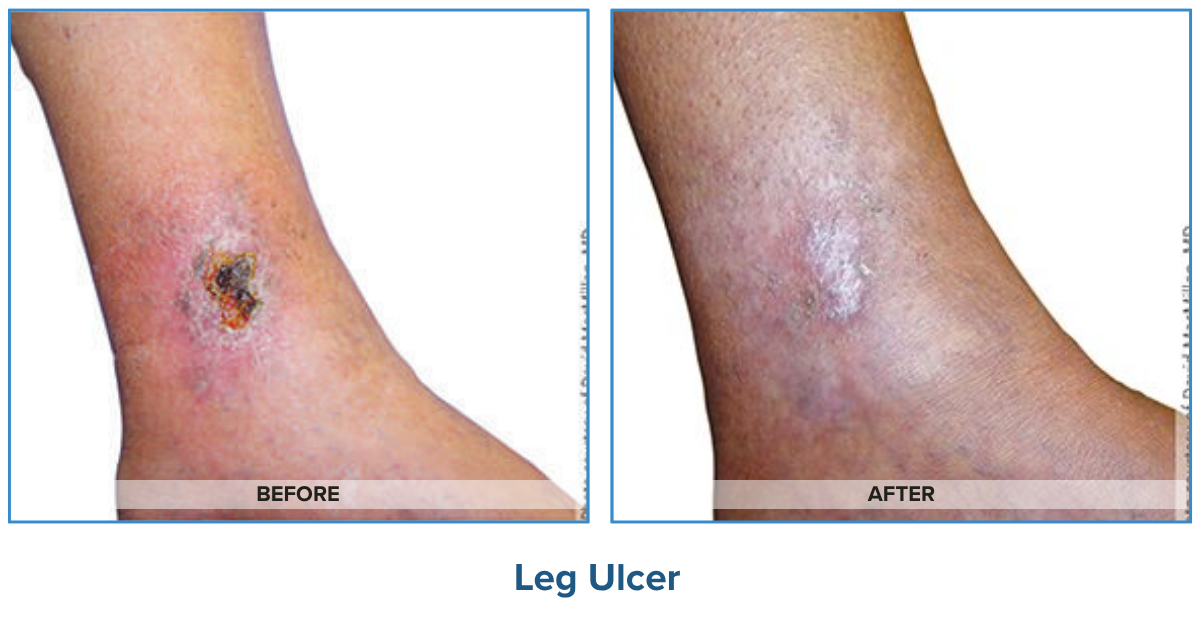
- Ulcers
How prevalent is venous reflux disease?
- Venous reflux disease, also known as chronic venous insufficiency, affects more than 30 million Americans.
- Varicose veins, a common symptom of venous reflux disease, can affect up to 40 percent of adults.
- Varicose veins are more common in those who are overweight, and in women who have had more than two pregnancies.
- Women usually have multiple risk factors for varicose veins. In fact, varicose veins are most common in women (75 percent of those diagnosed) than in men (25 percent of those diagnosed).
- Up to 55 percent of American women may be affected by varicose veins in their lifetime.
- It is common for varicose veins to become more prominent during pregnancy and worsen with successive pregnancies.
How is venous reflux disease treated?
Venous reflux disease treatment aims to reduce or stop the backward flow of blood. Treating the diseased vein improves overall blood flow and relieves symptoms. For some patients, compression stockings alone may improve blood flow. For others, closing or removing the diseased vein may be necessary to improve blood flow. Closing or removing the diseased vein directs blood to nearby healthy veins.