This article was medically authored by Dr. Ryan Armstrong and last reviewed for accuracy on 06/03/2026.
When you have peripheral arterial disease (PAD), you have narrowed arteries that reduce the flow of blood and oxygen to your lower extremities. In turn, walking can become painful, leaving you experiencing cramps (claudication) when you move, sometimes even after a short period of time. Initially, those cramps resolve with rest. But over time, the pain can become chronic and dramatically reduce your ability to walk even short distances without discomfort.
When trying to treat the disease, one of the goals is to extend your PAD walking distance that can be achieved before you experience claudication. Luckily, research suggests that this extension could be accomplished by taking a simple, over-the-counter supplement. Or, for patients with PAD, obesity and diabetes, adding semaglutide could help improve PAD walking distance.
Key Takeaways
According to a study in the journal Nature Communications, patients with peripheral artery disease symptoms such as claudication can improve their walking endurance by taking an over-the-counter (OTC) supplement known as nicotinamide riboside (NR), which is a form of vitamin B3.
To reach this conclusion, a team of scientists at both the University of Florida and Northwestern University followed 90 PAD patients in a double-blind, randomized clinical trial. After 6 months, in a six-minute timed trial, participants taking a daily B3 supplement were able to walk 57 feet farther than participants who had received a placebo. As such, study author Christiaan Leeuwenburgh concluded, “This is a signal that nicotinamide riboside could help these patients. We are hoping to conduct a larger follow-up trial to verify our findings.”
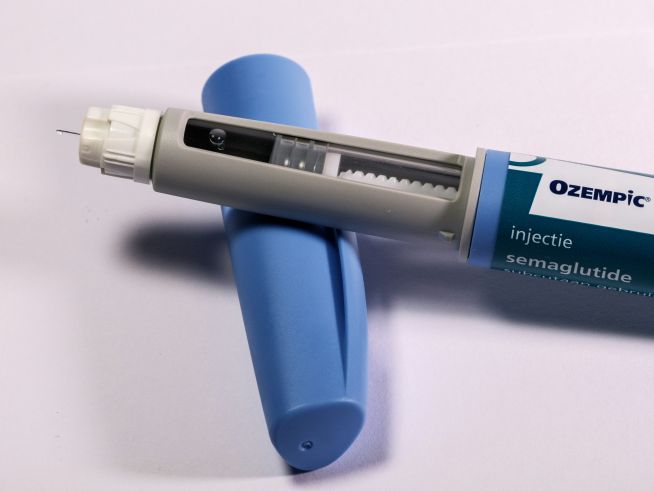
Additionally, after a clinical trial involving 1363 participants, this study in The Lancet found that “Semaglutide increased walking distance in patients with symptomatic peripheral artery disease and type 2 diabetes.” As such, they concluded that there should be follow-up studies to determine if this class of medication can also be beneficial to individuals who have PAD but don’t have diabetes.
These preliminary findings are promising, so you may consider B3 supplementation if cleared by your doctor to do so safely. Still, there are other, non-invasive lifestyle habits that you can embrace to increase your walking endurance, even after a peripheral artery disease diagnosis.
What are your options? Research suggests that, over time, engaging in supervised treadmill workouts will also help you walk farther before experiencing painful muscle cramps. Even a simple act like engaging in walks around the neighborhood could be a valuable workout to combat PAD, as long as you’ve been medically cleared for physical activity.
If you think that walking farther with PAD isn't important, think again. When you focus on your pain-free walking distance, your caregivers are able to tell if current treatments are helping improve your circulation. They can also measure your functional status to determine if you need further intervention.
Monitoring pain-free walking distance with PAD can also help us determine if your disease is progressing. This can help us guide future treatment decisions. Plus, being able to walk farther means that you have less pain when you move. In turn, you may exercise more, strengthening your muscles to boost blood flow and further fight your disease.
While lifestyle adjustments may help patients with mild PAD symptoms, individuals with further disease progression may need further intervention in order to boost blood flow and improve quality of life. In such cases, seeking minimally-invasive PAD treatments at one of our seven locations in the greater Houston and Dallas area can extend your PAD walking distance while addressing other symptoms such as changes in the color or texture of the skin on your legs; slowed leg-hair and toenail growth; or even difficulties with healing wounds. Simply reach out to our team to requesting a consultation and we’ll set you up with an appointment. When we see you in the office, we can assess your current disease state and recommend an appropriate course of treatment.
Scheduling
Please contact our dedicated specialists to schedule a consultation today.