281.690.5082 HOUSTON
469.343.0265 DALLAS

281.690.5082 HOUSTON
469.343.0265 DALLAS
At Texas Endovascular in Houston, you’ll receive expert, minimally invasive care for a full range of conditions, including veins, arteries, fibroids, prostate issues, hemorrhoids and joint pain.
Our board-certified interventional radiologists use advanced, image-guided procedures designed to relieve symptoms and restore comfort, helping you return to the activities you love.
Whether you’re managing a new diagnosis, exploring alternatives to surgery or seeking long-term relief from a chronic condition, our Houston specialists are here to support your health every step of the way.

At Texas Endovascular in Houston, TX, you’ll receive expert, minimally invasive care for a full range of conditions, including vein and vascular disease, fibroids, prostate concerns, hemorrhoids, and joint pain.
Our board-certified interventional radiologists use advanced, image-guided procedures designed to relieve symptoms and restore comfort, helping you return to the activities you love faster and with less downtime.
Our Houston clinic continues the legacy of Houston Fibroids, offering the same trusted expertise and minimally invasive care patients have relied on for years, unified under the Texas Endovascular name.
Patients benefit from the same specialized physicians, advanced technology, and personalized treatment approach available across all Texas Endovascular locations.
Whether you’re managing a new diagnosis, exploring alternatives to surgery, or seeking long-term relief from a chronic condition, our Houston specialists are here to support your health every step of the way.
Our Houston clinic evaluates and treats a wide range of circulation problems, from bothersome spider veins to more advanced conditions, including venous insufficiency, peripheral artery disease (PAD) and others.
Using ultrasound and other imaging tools, we identify the exact cause of your symptoms and create a plan that helps improve blood flow and reduce discomfort.
Fibroids can lead to heavy cycles, pelvic pressure or abdominal fullness. At our Houston office, we offer nonsurgical options that target the blood supply feeding fibroids, helping reduce their size and easing daily discomfort while preserving your uterus.
If urinary frequency, weak flow or nighttime trips to the bathroom are disrupting your routine, our team can help. We offer a minimally invasive treatment for enlarged prostate (BPH) that shrinks excess tissue and restores better urinary control without hospital admission.
Persistent itching, bleeding or discomfort from hemorrhoids can affect your quality of life. Our Houston specialists offer gentle, image-guided procedures that address the underlying vessels responsible for hemorrhoid swelling, leading to meaningful and lasting relief.
Chronic pain in the shoulder, knees, heels or elbows can make everyday movement a challenge. Our clinic provides targeted therapies that reduce inflammation in painful joints, helping you regain mobility and participate more comfortably in daily activities.
At Texas Endovascular in Houston, our specialists focus on treating the source of symptoms through advanced, image-guided procedures designed to minimize disruption to your daily life.
Rather than relying on traditional surgery, many conditions can be treated using precise catheter-based techniques performed through small access points, helping reduce pain, lower risks, and shorten recovery time.
From vascular and vein conditions to fibroids, prostate concerns, hemorrhoids, and joint-related pain, each treatment plan is carefully tailored to your needs, goals, and overall health.
Our approach prioritizes effective symptom relief, faster recovery, and long-term improvement so you can return to normal activities with confidence.
Uterine Fibroid Embolization (UFE)
Uterine fibroid embolization is a minimally invasive, outpatient procedure designed to treat symptomatic uterine fibroids without surgery.
During treatment, a specialist carefully blocks the tiny blood vessels that supply fibroids, cutting off their source of oxygen and nutrients. Over time, the fibroids shrink naturally, often leading to lighter menstrual cycles, reduced pelvic pressure, and improved overall comfort.
Many women choose UFE as an alternative to hysterectomy because it preserves the uterus while addressing symptoms at their source.
Most patients return home the same day and resume normal routines much sooner than with traditional surgical procedures.
UFE treatment is provided at all seven Texas Endovascular locations, including Houston Fibroids and Dallas Fibroid Center.
Peripheral Artery Disease (PAD) treatment
Peripheral artery disease occurs when plaque buildup narrows arteries and restricts blood flow to the legs and feet. This reduced circulation can cause leg pain, cramping while walking, slow-healing wounds, or fatigue that limits mobility and independence.
Our Houston vascular specialists use minimally invasive techniques such as angioplasty and targeted vessel treatments to restore healthy blood flow.
By reopening narrowed arteries, these procedures can reduce pain, improve walking distance, and help patients regain confidence in their daily activities without the need for open surgery.
Vein disease can affect both appearance and comfort, often causing symptoms such as heaviness, swelling, aching, or visible varicose and spider veins. At Texas Endovascular, we provide modern vein treatments that address the underlying circulation problem rather than just cosmetic concerns.
Minimally invasive therapies such as sclerotherapy, radiofrequency ablation, and ultrasound-guided vein treatments close damaged veins and reroute blood flow to healthier vessels.
These procedures require no surgical incisions and typically allow patients to return to normal activities quickly while improving both leg comfort and appearance.
Prostate Artery Embolization (PAE)
Prostate artery embolization is a non-surgical treatment for benign prostatic hyperplasia (BPH), or an enlarged prostate. The procedure works by reducing blood flow to targeted areas of the prostate, allowing it to gradually shrink over time.
As pressure on the bladder decreases, many patients experience fewer nighttime bathroom visits, improved urinary flow, and reduced urgency.
Because PAE avoids traditional surgery, it carries a lower risk of complications and typically involves a faster recovery with minimal disruption to daily life.
Hemorrhoid Artery Embolization (HAE)
Hemorrhoid artery embolization is a minimally invasive option for treating chronic or bleeding hemorrhoids without surgical removal. Using advanced imaging guidance, specialists close off the small arteries supplying blood to swollen hemorrhoidal tissue.
As blood flow decreases, inflammation and bleeding are reduced, allowing symptoms to improve naturally.
Most patients experience minimal discomfort and can return to everyday activities quickly, making HAE an appealing alternative to conventional hemorrhoid surgery.
Genicular Artery Embolization (GAE)
Genicular artery embolization is an innovative treatment for knee osteoarthritis pain. In many cases, chronic inflammation is fueled by abnormal blood vessel growth around the knee joint.
GAE targets and reduces this excess circulation, helping decrease inflammation and relieve persistent knee pain.
Patients often experience improved mobility and comfort, allowing them to stay active while potentially delaying or avoiding joint replacement surgery.
Plantar Fasciitis Embolization (PFE)
Chronic plantar fasciitis can lead to persistent heel pain that interferes with walking, exercise, and daily activities. In some cases, abnormal blood flow keeps the plantar fascia inflamed and prevents healing.
Plantar fasciitis embolization redirects blood flow away from irritated tissue, helping reduce inflammation and promote natural healing.
This minimally invasive treatment offers a promising option for patients who have not found relief through physical therapy, orthotics, or injections.
Transarterial Elbow Embolization (TAE)
Conditions such as golfer's elbow and tennis elbow develop when overused tendons become inflamed and struggle to heal properly.
Transarterial elbow embolization treats the underlying inflammation by reducing abnormal blood flow surrounding the affected tendon.
By calming chronic inflammation, TAE can support tissue healing, decrease pain, and restore strength and function in the arm, all without surgical intervention or extended recovery time.
The Houston clinic is home to a team of board-certified interventional radiologists dedicated to providing compassionate, personalized care for both simple and complex conditions.
Whether you're seeking cosmetic improvement for spider veins or advanced treatment for PAD, fibroids, BPH, hemorrhoids or chronic joint pain, we tailor every plan to your unique needs.
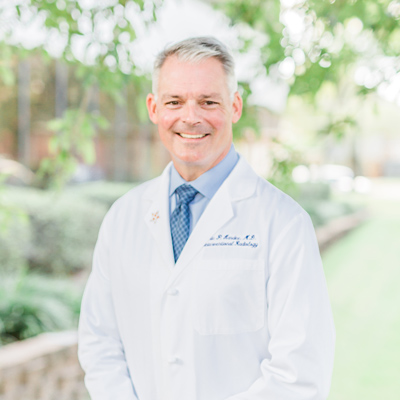
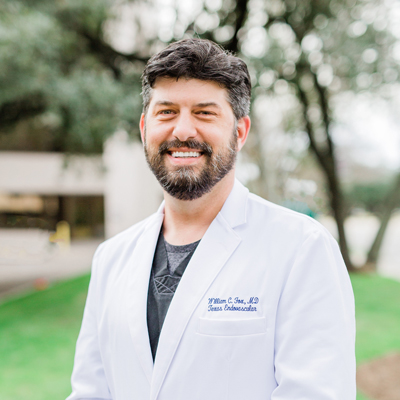
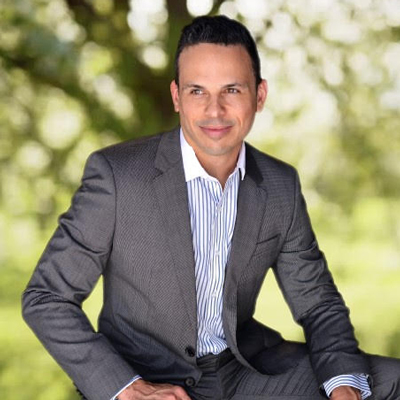
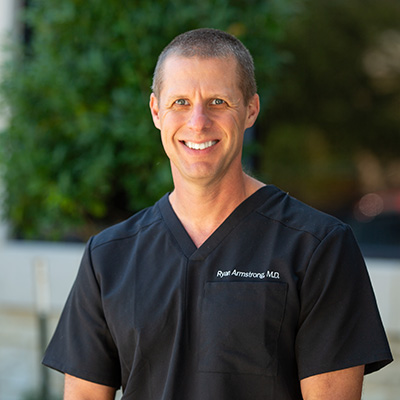
Meet our Houston providers:
With over 50 years of combined experience, our physicians deliver innovative care focused on long-term relief and improved quality of life.
Here’s what makes our Houston clinic a trusted choice for minimally invasive care:
At Texas Endovascular in Houston, you don’t have to navigate your symptoms alone.
Our team is here to guide you with advanced, minimally invasive care designed around your comfort and long-term health. Call 713-489-6319 to connect with our specialists and take the next step toward feeling better.
Fibroid treatment is often best performed by board-certified interventional radiologists who specialize in minimally invasive procedures.
At Texas Endovascular’s Houston location, Dr. William C. Fox provides advanced fibroid care using image-guided techniques designed to treat symptoms without major surgery.
His expertise in embolization procedures allows patients to explore effective alternatives to traditional surgical treatments.
Uterine fibroid embolization (UFE) is performed by interventional radiologists trained in catheter-based, image-guided procedures.
Our team of physicians, including Dr. William C. Fox, specializes in minimally invasive embolization treatments that target fibroids at their source, helping reduce symptoms while preserving the uterus and avoiding lengthy surgical recovery.
Uterine fibroid embolization is available at Texas Endovascular’s Houston clinic, where Dr. Fox performs outpatient, minimally invasive fibroid treatments using advanced imaging technology. Most patients return home the same day.
While a gynecologist commonly diagnoses fibroids, nonsurgical treatments like UFE are performed by interventional radiologists.
Specialists such as Dr. William C. Fox focus on treating fibroids by blocking their blood supply, allowing them to shrink naturally without removing the uterus.
When selecting a fibroid specialist, look for:
Scheduling a consultation with an experienced physician can help you determine the best treatment approach for your symptoms and goals.
Yes. Houston Fibroids, a division of Texas Endovascular, offers uterine fibroid embolization. This minimally invasive treatment is performed by an expert interventional radiologist who shrinks fibroids by reducing their blood supply.
UFE is an outpatient procedure that helps relieve symptoms such as heavy bleeding and pelvic pressure while preserving the uterus.
In many cases, UFE is covered by major insurance providers because it is considered a medically necessary treatment for symptomatic fibroids. Coverage varies by plan. The Houston team can help patients verify benefits before scheduling treatment.
Most patients undergoing UFE return home the same day and resume light activities within a few days. Because the procedure is minimally invasive, recovery is typically faster and more comfortable than traditional surgical fibroid treatments.
Texas Endovascular’s Houston clinic offers vein and vascular care under the care of Dr. William C. Fox, who evaluates circulation concerns with ultrasound imaging and treats vein conditions with minimally invasive therapies designed to improve blood flow and reduce discomfort.
Many patients can schedule an appointment without a referral, though requirements may vary by insurance plan. Contacting the Houston office at (281) 747-9199 is often the fastest way to begin an evaluation with Dr. Fox.
Scheduling
Please contact our dedicated specialists to schedule a consultation today.