713-587-6396 HOUSTON
469-333-2643 DALLAS

713-587-6396 HOUSTON
469-333-2643 DALLAS

At Texas Endovascular, we offer advanced, minimally invasive solutions designed to target the root cause of your pain. One of the most effective alternatives to surgery is Frozen Shoulder Embolization (FSE)—also known as Shoulder Artery Embolization (SAE) or Adhesive Capsulitis Embolization (ACE). This innovative procedure works by reducing inflammation within the shoulder, helping relieve pain and improve mobility without invasive surgery or lengthy recovery times.
If shoulder pain is limiting your life, our team is here to help you explore safe, effective treatment options tailored to you.
20,000+ Procedures performed • 90% Symptom relief rate • Board-certified specialists • Houston-area treatment
Texas Endovascular provides advanced, minimally invasive care for patients experiencing shoulder pain and limited mobility due to frozen shoulder (adhesive capsulitis). Our Houston clinic offers convenient access to expert evaluation and treatment designed to relieve pain and restore movement without the need for traditional surgery.
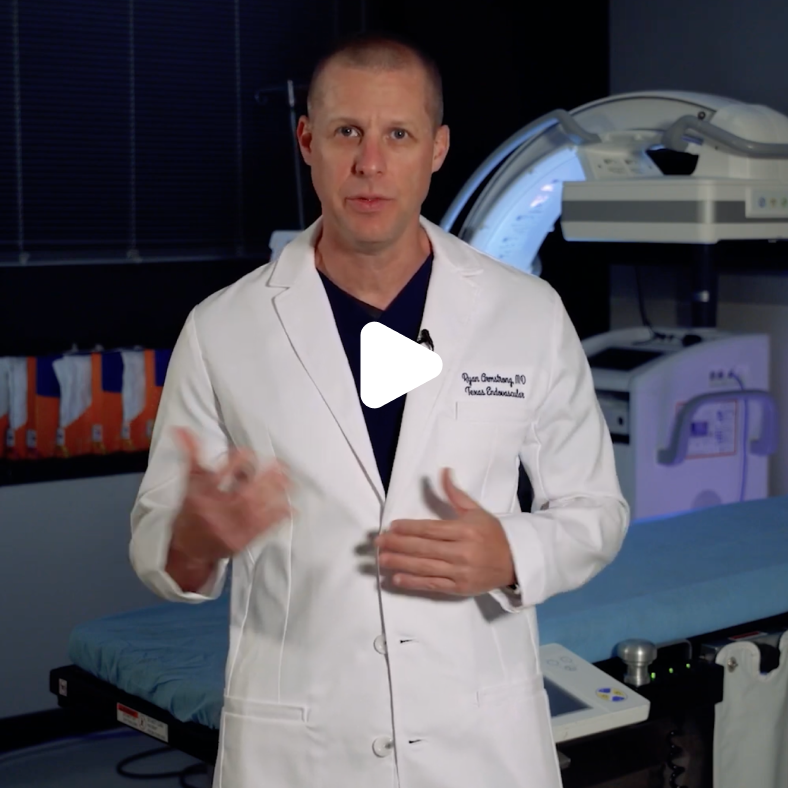

Board-Certified Expertise You Can Trust
At Texas Endovascular, your care is led by board-certified interventional radiologists specializing in minimally invasive, image-guided procedures. Our approach focuses on identifying the root cause of shoulder pain and delivering targeted treatment that reduces inflammation, improves mobility, and minimizes recovery time.
What Is Frozen Shoulder?
Frozen shoulder, or adhesive capsulitis, is a condition that causes progressive pain, stiffness, and restricted movement in the shoulder joint. It develops when the joint capsule becomes inflamed and thickened, often leading to tightness and the formation of scar tissue.
Common Risk Factors
Several factors may increase your risk of developing frozen shoulder, including:
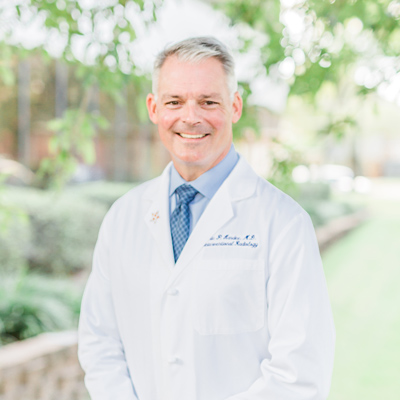
Houston Frozen Shoulder Embolization Specialist
Dr. Eric Hardee is a co-founder of Texas Endovascular and a highly experienced interventional radiologist specializing in embolization procedures, including Frozen Shoulder Embolization.
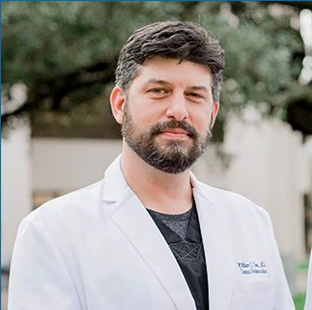
Houston Frozen Shoulder Embolization Specialist
Dr. William Fox is a board-certified interventional radiologist and the Medical Director of the Central Houston clinic. He is recognized for delivering personalized care focused on restoring comfort and quality of life.
Schedule an evaluation at our Houston clinic if you are experiencing:
Frozen shoulder can gradually worsen if left untreated, making everyday movements more difficult over time. While some cases improve slowly, many patients benefit from earlier intervention to reduce pain and restore mobility more efficiently.
Seeking care early allows our team to determine the cause of your symptoms and recommend the most effective treatment approach—often avoiding the need for surgery.
Frozen Shoulder is a well-established, medically necessary procedure covered by most major insurance plans in Texas. We accept:







Our team verifies coverage before treatment and explains frozen shoulder embolization treatment costs upfront so there are no surprises.

Frozen Shoulder Embolization (FSE)—also known as Shoulder Artery Embolization (SAE) or Adhesive Capsulitis Embolization (ACE)—is a minimally invasive procedure designed to treat frozen shoulder by reducing inflammation at its source.
How Does FSE Work?
Rather than removing tissue or performing surgery, FSE targets the abnormal blood vessels that contribute to chronic inflammation in the shoulder joint.
During the procedure:
Benefits of FSE vs. Traditional Surgery
UFE is often the preferred option for women who want lasting relief without the risks and recovery time of major surgery.
| Feature | Steroid Injection | Embolization (FSE) | Surgery (Capsular Release) |
|---|---|---|---|
| Primary Goal | Temporary inflammation reduction | Targeting root cause (abnormal blood vessels) | Physically cutting/breaking adhesions |
| Invasiveness | Low (simple needle) | Minimal (pinhole catheter) | Moderate (keyhole incisions) |
| Recovery Time | Immediate return to activity | 1-3 days | Several weeks to months |
| Anesthesia | None or local | Moderate sedation (conscious) | General anesthesia |
| Long-Term Data | Well-established; often short-term relief | Promising; success in ~80% of cases | Proven 7-year outcomes |
Each location offers the same specialized fibroid care delivered by board-certified interventional radiologists. Houston fibroid specialists serve patients throughout Texas at convenient locations, including:
Frozen shoulder is a condition that causes pain and stiffness due to inflammation in the shoulder joint capsule.
Yes, FSE is a minimally invasive procedure with a strong safety profile when performed by experienced specialists.
ost patients return to normal activities within a few days.
Not always. Many patients find relief with non-surgical options like FSE.
Scheduling
Please contact our dedicated specialists to schedule a consultation today.