This article was medically authored by Dr. William Fox and last reviewed for accuracy on 04/16/2026.
Key takeaways:
Diet can directly impact your experience living with fibroids
Foods that are high in fat, highly processed, or packed with salt can worsen fibroid symptoms.
Choosing foods that are high in fiber, iron, omega-3s, beta carotene and whole grains can help ease fibroid symptons while you research treatment options.
We can't always keep you from developing fibroids. But if you already have these non-cancerous tumors, following a fibroid diet will be important for your health outcomes. Why is this the case? The food you eat can balance your hormone levels, helping stop or slow tumor growth and reducing your symptom burden. Conversely, poor dietary choices can make your symptoms worse. So, for that reason, we're reviewing the best and worst foods for fibroids.
High-Fat, Processed Meats - Red processed meat is known to be high in added hormones, particularly estrogen.
High-Fat Dairy Products - Fatty dairy products can contribute to estrogen imbalances, which is why this study found that consuming more than one daily serving of full-fat dairy products increases fibroid risk by 32%. Some dairy products can be important, helping you increase Vitamin D levels in your body. (That can help lower fibroid risk.) For more info on the best way to incorporate dairy into a fibroid diet, you can explore how to incorporate dairy into your diet safely.
Foods High in Salt - Highly salted foods are hard on your liver, which is the organ that is most responsible for removing toxins and balancing hormones.
Refined Carbohydrates - White foods such as pasta, white bread, white rice, cakes, and cookies have been known to alter estrogen levels, causing fibroids to increase in size. Boxed cereals, potato chips and anything with corn syrup can also cause problems, because they raise your blood sugar levels, triggering your body to produce more insulin.
Foods containing Monosodium Glutamate (MSG) - While the facts are uncertain, some evidence links this flavor enhancer (common in takeout food) to obesity and weight gain. And, since obesity messes with your hormone levels, it can increase your fibroid risk.
Soy. Soy contains phytoestrogens. These are compounds that act like estrogen in your body. While this may be helpful if you battle low estrogen levels, they are a fibroid challenge. That’s because high estrogen levels seem to boost fibroid growth. Plus, new research reveals a soy-heavy diet can reduce female fertility, trigger early puberty and impact fetal development. For that reason, you may wish to limit soy intake even if your fibroid risk is low!
Refined Sugar - High consumption of sugar can result in inflammation and weight gain; there is an association between weight gain and hormone imbalance.
Caffeine - Too much caffeine puts additional stress on your liver, discouraging the organ from working the way it should (think: balancing hormones!)
Alcohol - Over-consumption of alcohol can lead to inflammation of the body and reduced immune function. Reducing or eliminating alcohol can help promote a healthy balance of hormones, though it's still unclear exactly how consuming alcohol affects fibroids.
Best Foods to Eat With Fibroids
If you're already feeling restricted just looking at the list of foods to avoid with fibroids, don't panic: there are so many options that can help you fill the gaps you're eliminating. And, according to a new study in Nutrients, the science reveals that they can help reduce fibroid risk or manage fibroid symptoms. Added bonus? They may just help improve your general health while helping keep fibroids in check:
High fiber foods, including cruciferous veggies like broccoli. (These can curb your appetite, so you eat less and may lose weight. And that's important, because losing weight can curb fibroid symptoms.)
Green leafy vegetables, as they can help fight inflammation in your body while helping balance your hormones. A low-calorie, high-fiber choice, leafy greens may also help you reach and maintain a healthy weight, further reducing your risk for fibroid growth.
Beta-carotene rich foods (such as carrots, pumkin, butternut squash and sweet potatoes). These can also help boost your fertility, which is important since fibroids can impact fertility, making it harder to get or remain pregnant.
Food high in iron (such as grass-fed beef and legumes). This dietary choice is especially important if you're experiencing heavy bleeding during your period, as adding iron to your diet can help you avoid fibroid-induced anemia.
Flaxseeds, as research suggests that they contain a unique combination of omega-3 fatty acids and phytoestrogen lignan that can help suppress fibroid growth.
Quinoa, a high-fiber whole grain food, can help regulate estrogen levels in your body. This is important, since excess estrogen levels seem to contibute to fibroid growth.
Other whole grains, including oatmeal, brown rice, barley or even popcorn, as long as you skip the buttery toppings.
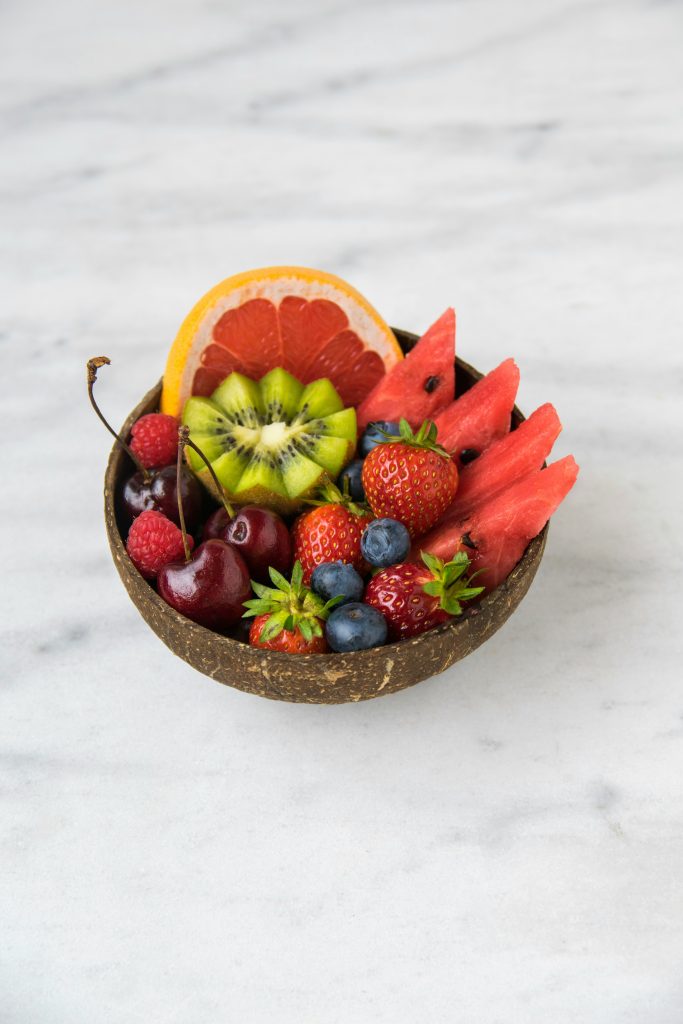
Citrus fruits like oranges, grapefruit and yuzu. Even adding a splash of lemon or lime juice to your water can be helpful, because studies show that women who eat two or more servings of citrus fruit each day can lower their fibroid risk.
Berries, kiwi and pineapple. Packed with compounds such as flavanoids and antioxidants, these tasty fruits can help fight inflammation in the body.
Supplements may also help shrink or maintain fibroid size. Vitex, fish oil, and B-complex are a few supplements that can help create a better hormone balance. Additionally, the fatty acids in fish oil (or cold water fish) may help fight inflammation that could contribute to fibroid growth. Be sure to speak with your physician before introducing new supplements into your diet.
Possible Benefits from Chinese Medicine Roots
While research in this area is less available, certain herbal preparations may help you manage fibroid symptoms. These herbs may help manage fibroid size:
cinnamon twig
poria
peony root and red peony root
peony root bark
Also, compounds in green tea may help shrink fibroid size. And taking castor oil could help you relieve fibroid-related constipation.
Fibroid Friendly Recipe
Want to cook up something that may help your fibroids? Try this delicious recipe, courtesy of the Food Network.
Ingredients
Rainbow carrots
Olive oil
Kosher salt
Chives
Directions Toss 3 bunches baby rainbow carrots, 1 tablespoon olive oil and 1/2 teaspoon kosher salt on a baking sheet; arrange in a single layer. Roast at 450 degrees F, turning once, until tender and slightly browned, 15 minutes. Sprinkle with salt and chopped chives.
When Your Diet Isn't Enough to Control Your Fibroids
Your diet and lifestyle can only do so much in your attempt to manage your fibroids. If you suffer from common fibroid symptoms such as heavy periods, bloating, frequent urination, constipation, and pelvic pain, Uterine Fibroid Embolization (UFE) may be the next best option.
UFE is a low-risk, minimally-invasive procedure for the treatment of uterine fibroids. Women commonly choose UFE over a hysterectomy for fibroid removal as it avoids surgery, preserves the uterus, controls symptoms, and improves quality of life. Click here to request an appointment .
Serving the Houston & Dallas area at these Convenient Fibroids Treatment Centers
Each location offers the same specialized fibroid care delivered by board-certified interventional radiologists. Our fibroid specialists serve patients throughout Texas at convenient locations, including:
Our physicians write about the conditions we treat and the procedures that replace surgery; what is new, what the evidence says, and what it means for you. One email a month. Unsubscribe any time, and we never share your address.
Scheduling
Please contact our dedicated specialists to schedule a consultation today.