image-guided procedure,
no incision on the elbow
with local anesthesia
and light sedation
strenuous activity and
sports around two weeks
Interventional radiologists across Houston & DFW
Recent pain that usually responds to rest, ice, bracing, and activity changes, often within weeks.
Pain that lingers for months and returns whenever you use the arm, despite conservative care.
Pain lasting six months+, with abnormal vessels feeding the inflammation.
Golf with poor technique or equipment, tennis, and pickleball.
Hammering, wrenching, shoveling, raking, and using chainsaws.
Baseball, softball, football, javelin, and repetitive lifting.
Carpentry, construction, plumbing, painting, assembly lines, typing, and knitting.
Risk rises with age, especially 45 to 64, and is higher in women.
Abnormal vessels that build over time and keep the tendon inflamed.
Activity changes and a brace to reduce strain on the tendon.
Stretching and strengthening to restore mobility and promote healing.
Short-term pain and inflammation relief.
Platelet-rich plasma aimed at supporting tendon healing.
An open procedure reserved for severe cases when other treatments fail.
A minimally invasive, image-guided option for chronic golfer's elbow that has not responded to conservative care. It reduces the abnormal blood flow driving inflammation — without surgery on the elbow.



No hospital stay. You go home within an hour or two.
A single pinhole — no scalpel, no general anesthesia, lower risk of infection or nerve injury than surgery.
Most patients resume light activity right away and return to routine within a day or two — no cast, no sling.
We verify your benefits in advance and explain costs clearly.
| Treatment | Invasiveness | Anesthesia | Recovery/Rehab | Durability of relief |
|---|---|---|---|---|
| Transarterial Elbow Embolization (TAE) WHAT WE DO | Minimally invasive (pinhole) | Local + light sedation | Minimal; light activity same day | Durable (treats the source) |
| Steroid injections | Non-surgical (injection) | Local | Same day | Weeks–months (masks symptoms) |
| Bracing, therapy + NSAIDs | Non-invasive | None | Ongoing (months) | Helpful; slow while inflammation persists |
| PRP injections | Non-surgical (injection) | Local | Days to weeks | Variable; inconsistent response |
| Tendon release surgery | Surgical | General/regional | Weeks of rehabilitation | High (higher risk of infection / nerve injury) |
Board-certified interventional radiologists trained in TAE.
Image-guided targeting of the abnormal vessels, not the healthy tendon.
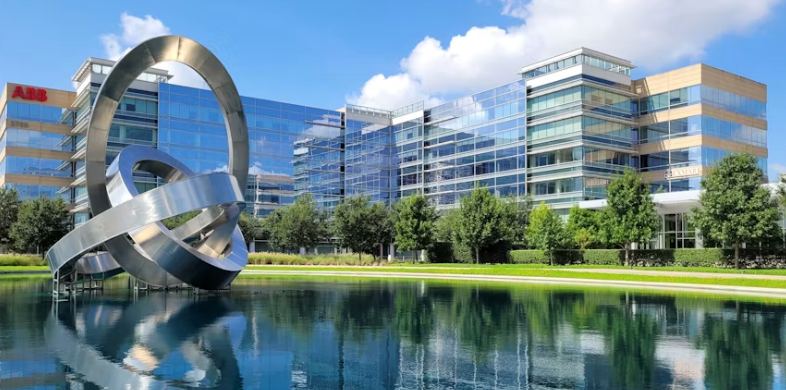
Clinics throughout Greater Houston and Dallas-Fort Worth.


1331 West Grand Parkway
N, Suite 210
Katy, TX 77493

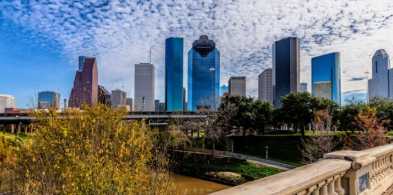
3920 W Wheatland Rd
Suite 108
Dallas, TX 75237
5425 W. Spring Creek Parkway
Suite 100
Plano, TX 75024
6620 Bryant Irvin Road
Suite 100
Fort Worth, TX 76132
TAE is a minimally invasive, image-guided procedure that reduces the abnormal blood flow around an inflamed elbow tendon. Using advanced imaging, an interventional radiologist threads a tiny catheter to the arteries near the elbow and places microscopic particles that calm the inflammation driving chronic golfer's elbow pain.
Studies of TAE for chronic medial epicondylitis that has not responded to conservative care report meaningful pain relief and improved function, with a low rate of complications. The evidence is early and based on small studies, so your interventional radiologist will confirm whether you are a good candidate.
You may be a candidate if you have had inner-elbow pain for six months or more and rest, bracing, therapy, and injections have not worked. TAE is designed for chronic golfer's elbow driven by abnormal vessels, which imaging can confirm.
TAE requires no incision on the elbow and no open tendon repair. It is done through a pinhole in the wrist or groin as a same-day outpatient procedure, with a faster return to activity than open surgery.
Insurance can vary. Our team reviews your benefits and explains any costs before anything is scheduled.
See a provider if the pain worsens despite rest and self-care, interferes with daily activities, or keeps you from your usual sports or hobbies.
Scheduling
Please contact our dedicated specialists to schedule a consultation today.