This article was medically authored by Dr. William Fox and last reviewed for accuracy on 07/29/2025.
There are many different causes of knee pain. Sometimes, it’s hard to know what’s causing your discomfort—but that can get in the way of finding relief. Want to find the right treatment for your needs? Here’s how to figure out what’s causing your knee pain.
When you want to determine the cause of pain in the knee, there are three categories to examine:
Now, let’s take a closer look at each of these areas.
Some pains are sharp and stabbing. Or, you may only experience knee pain when you perform a certain movement or activity. In both cases, this type of discomfort is typically associated with an injury. If, however, your pain is dull and achy, and more likely to worsen after activity, that could be a sign of knee osteoarthritis.
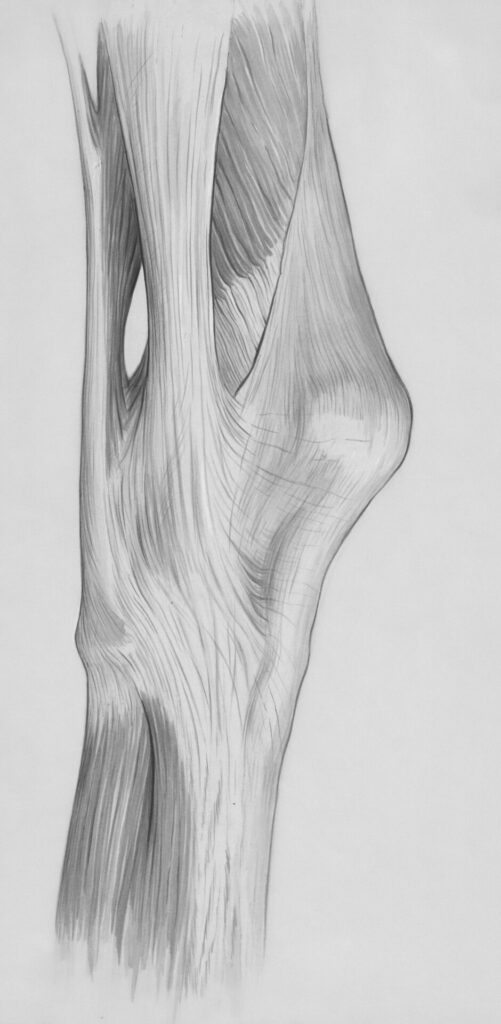
If your pain seems to originate from deep within your joint, that suggests arthritis is causing your discomfort. But if your pain manifests when you moving from side to side, or if the pain runs over the front of your knee, you could be dealing with an injury. In such cases, seeing your doctor for additional screenings could help you detect damage to ligaments or tendons in the knee.
If you’re having difficulty bearing weight on the affected knee, or your knee feels unstable—like it might buckle—you are likely dealing with a knee injury. But if you have symptoms such as swelling around the joint, stiffness after long periods of inactivity, or limits on your range of motion, knee osteoarthritis could be to blame. And, if that’s the case, you may be able to find knee pain relief at the Texas Knee Institute.
Our interventional radiologists are proud to treat knee osteoarthritis with GAE, or genicular artery embolization. This minimally invasive procedure relieves pain and improves knee function by reducing inflammation in the lining of your knee. It is a great option for individuals who wish to delay or avoid knee replacement surgery, or for those who can’t tolerate such an invasive procedure. You can learn more about this treatment option and explore your candidacy by contacting our team to request a consultation at one of our seven locations in Texas.
Scheduling
Please contact our dedicated specialists to schedule a consultation today.