Fibroids are non-cancerous uterine tumors. Many fibroids will continue to grow without treatment. But, in some cases, a tumor will shrink because it has outgrown its current blood supply. (Known as a degenerating fibroid.) In turn, you may develop pain and symptoms severe enough to have you seek medical assistance.
We don't know exactly what causes fibroids to grow. But we do know that certain factors can make your fibroids disintegrate. And these include:
Many women with uterine tumors wish they could shrink their fibroids naturally. However, a degenerating fibroid will not provide the hoped for relief, because these tumors may grow large again after shrinking, leaving you stuck in a painful cycle.
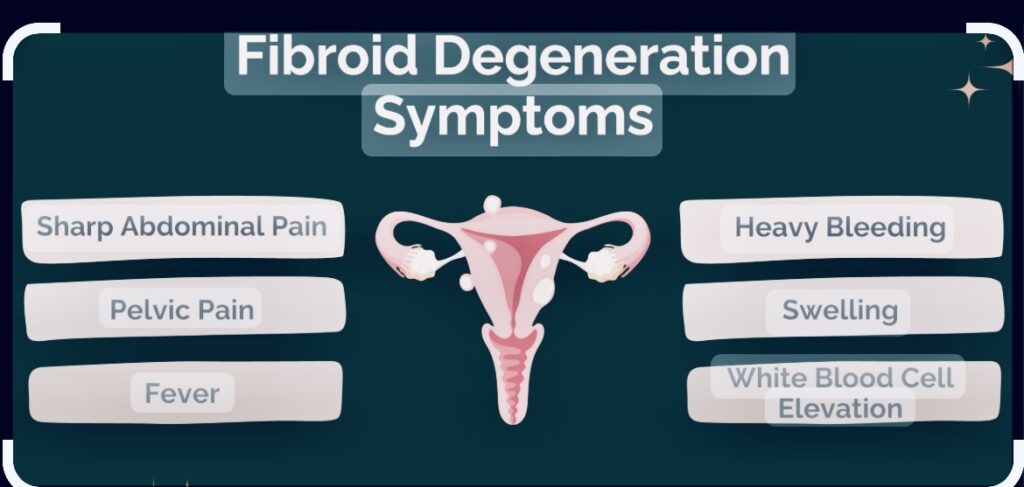
If your fibroid degenerates, you may experience bleeding, abdominal pain and pressure, along with chronic pelvic pain. Some women develop low-grade fevers, and the tumor could even prolapse from your uterus. However, most degenerating fibroids don't cause heavy bleeding or other serious complications.
If you want to prevent tumor disintegration, try to seek early fibroid treatment. As an added bonus, smaller fibroids are more responsive to minimally invasive procedures such as Uterine Fibroid Embolization (UFE). However, if you waiting until you have multiple or large fibroids, you increase the risk for fibroid disintegration. And you're more likely to need surgical intervention in order to find relief.
Are you exploring your next steps following a fibroids diagnosis? Our Dallas Fibroid Center fibroid specialists are here to help.
Scheduling
Please contact our dedicated specialists to schedule a consultation today.