This article was medically authored by Dr. AJ Valenson and last reviewed for accuracy on 04/16/2026.
Uterine fibroids can cause menstrual cramps, heavy bleeding and changes in your vaginal discharge. This post reviews the ins and outs of fibroid discharge, both before and after uterine fibroid embolization or fibroid removal surgery. The information will help you know what to expect before and after fibroid treatment, and when to seek medical intervention.
Key Takeaways:
Table of Contents
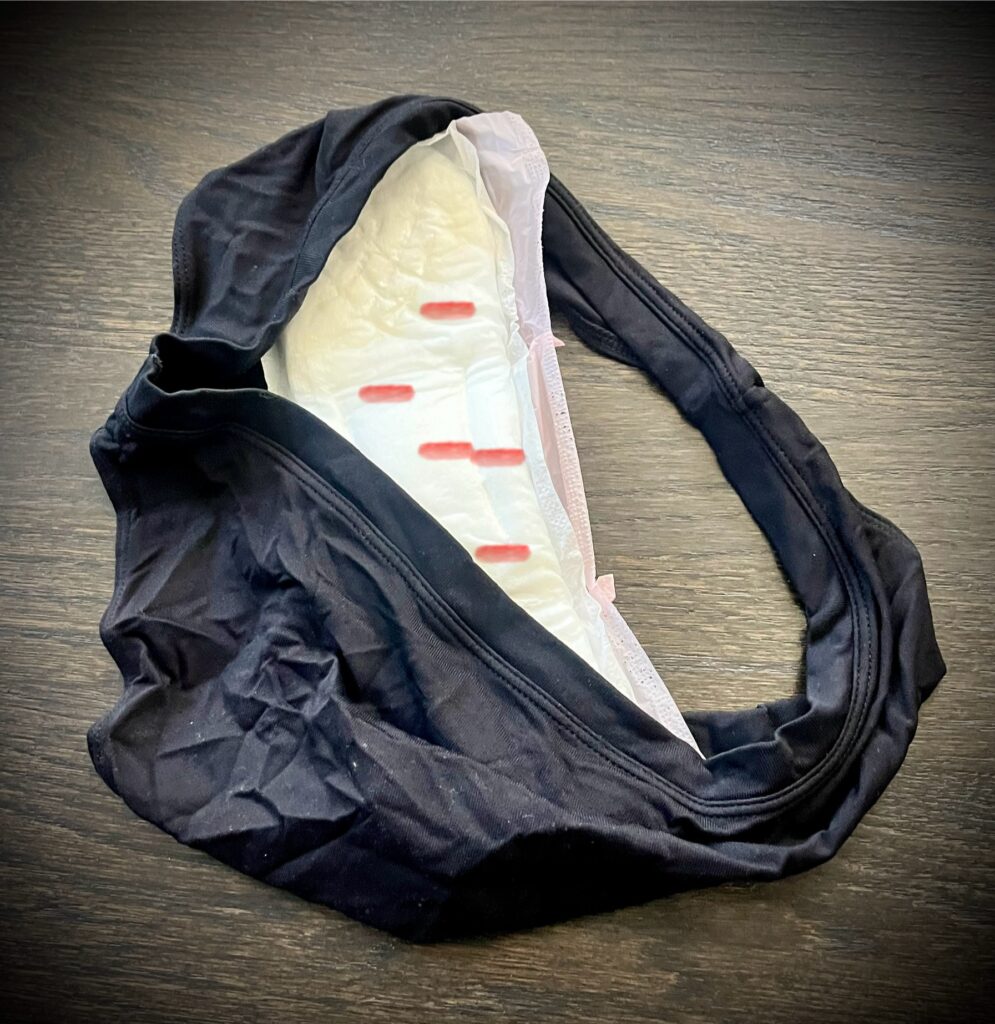
A woman's vaginal discharge naturally varies as she moves through her monthly cycle. But women with fibroids may notice additional changes to the color and texture of this discharge. Before treating uterine tumors, fibroid discharge could be watery or pink in color. (This could indicate that you’re spotting between periods.) After treating your fibroids via myomectomy or Uterine Fibroid Embolization (UFE treatment), the appearance of your discharge may change. During your recovery period, you may discharge muscular tumor tissue, a process also known as fibroid sloughing. T
After UFE, some women may vaginally discharge fibroid tissue, though this occurrence is rare and typically occurs within 10 weeks of the procedure. The tissue passed can be flesh-colored, tan or white, and form smooth strands that appear to glisten. When passing that tissue, you may experience painful uterine cramps. You could also pass large blood clots during the sloughing process, and the fibroid discharge may have a foul odor. You may experience cramps while However, since odor could also be a sign of infection, it’s important to mention this issue to your healthcare provider.
You could notice fibroid discharge following a myomectomy for the first few weeks after surgery. This is normal, and the discharge may be reddish-brown or brown. Spotting after fibroid surgery is also normal, and your period flow and timing could change following a myomectomy, coming earlier than expected or causing you to experience heavy bleeding.
Following surgical treatment or minimally invasive Uterine Fibroid Embolization treatment, most of the fibroid discharge will resolve on its own during the course of your recovery. But if you notice foul-smelling discharge, speak to your doctor right away, to rule out a possible infection. And remember, it’s quite rare that you’ll experience fibroid sloughing or infections following UFE in Houston; more often, you’d experience relief from fibroid symptoms as your tumors shrink slowly in the weeks following your procedure. Ready to see if minimally invasive fibroid treatment is your best option? Not every woman is a candidate for UFE, but we are happy to provide you with a consultation and discuss your candidacy for the procedure. Simply reach out to our team and request a consultation at one of our seven Texas Endovascular locations in the Greater Dallas and Houston regions.
Scheduling
Please contact our dedicated specialists to schedule a consultation today.