713.489.8623 HOUSTON
469.294.5589 DALLAS

713.489.8623 HOUSTON
469.294.5589 DALLAS
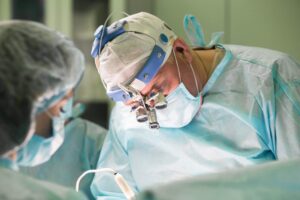
When choosing fibroid treatments, there are a range of options, from non-and-minimally invasive all the way to surgical. Fibroid tumors are non-cancerous growths that develop in and on a woman's uterus. While not a life-threatening condition, because of their location, they can interfere with fertility, menstruation, and your bowel and bladder function.
Some women have a higher risk for developing fibroids. While we don't know why these tumors form, we do know that certain factors are connected. That means if you have a family history, or are an African-American women, you are more likely to develop fibroids in the future.
If your fibroid risk is high, now's the time to think about your fertility. Women with fibroids who want to have children are often pushed into surgery. Previously, we thought myomectomy, surgical fibroid removal, was a woman's best option if she wanted to get pregnant. Now, research suggests that may not be the case.
Thanks to the FEMME study, published in the New England Journal of Medicine, we have a better understanding of the differences between myomectomy (surgical removal of individual fibroid tumors) and UFE treatment outcomes. Specifically, the study examines how each fibroid treatment affects your post-procedure quality of life. And the outcomes were very interesting.
After treating fibroids with surgery or UFE, each group of women rated their quality of life. Both groups of women reported significant improvements. And there was only an eight-point difference between the two groups' reported improvements. That difference is small enough to be considered statistically insignificant. Or, to put it simply, myomectomy and UFE provides almost identical improvements in your daily quality of life. But the post-treatment recovery process is different for each option: With UFE, your post-procedural down time is minimal. In contrast, myomectomy is still an invasive surgery, and that may require a hospital stay and a more extensive recovery period.
Given these differences, the FEMME study should make you consider exploring UFE before booking a myomectomy. After all, the two fibroid treatments offer similar benefits, and UFE comes with an easier recovery. Now, it's important to remember that the FEMME study didn't address fertility outcomes with either of these fibroid treatment options. So we'll turn to that data in the next section of this post.
Check this out. A study examining "the effect of myomectomy on fertility[discovered] no significant benefit," according to a review in the Cochrane journal. In other words, even if you have surgery to remove your fibroid tumors, your chances of getting or staying pregnant may not improve.
Of course, this is just one study. We need more research to really prove the effect of fibroid surgery on fertility. It does, however, mean that women should carefully consider all their treatment options before rushing into surgery just to preserve their fertility dreams.

Patients with fibroids who hope to get pregnant may also consider uterine fibroid embolization, a minimally invasive procedure that shrinks fibroids by cutting off their blood supply. Many patients wishing to avoid myomectomy want to know about pregnancy after UFE. There have been reports of successful pregnancies in patients after UFE, and studies show that fertility and miscarriage rates in UFE patients are no different than patients of the same age with fibroids who have had no treatment. But you and your doctor should discuss the advantages and disadvantages of all treatment options before making a decision for you and your family. And, if you would like to learn more about UFE to help inform that decision, we encourage you to request a consultation at one of our five Houston Fibroids locations. We can help inform your decision between surgery or UFE for uterine fibroids.
Sources: New England Journal of Medicine, Canadian Family Physician journal, European Radiology Journal
Scheduling
Please contact our dedicated specialists to schedule a consultation today.