Texas Endovascular Logo

281.690.5082 HOUSTON

Blog

This Diet Can Reduce PAD Risk

Posted on May 05, 2026

Peripheral Arterial Disease (PAD) is a serious condition affecting blood flow to your extremities. It causes symptoms such as leg cramping with movement (claudication), and increases your risk for critical limb ischemia, limb loss and fatal cardiovascular events. Given the risks associated with this arterial condition, it’s important to reduce PAD risk. Luckily, new scientific findings show that making changes to your diet can help you do just that.

Key Takeaways

  • PAD increases your risk for limb loss and death
  • Diet can help reduce your PAD risk
  • Following eating plans like the Mediterranean diet, and adding more fiber, whole grains, legumes and nuts to your diet supports improved arterial health

Table of Contents

  1. Understanding PAD
  2. Diets to Reduce PAD
  3. Foods to Avoid
  4. Treatment Options

What is PAD?

Peripheral arterial disease is a progressive cardiovascular condition. It develops when your arteries narrow due to a build-up of plaque in your arteries. Plaque is a substance composed of cholesterol, calcium, fats and other waste products; it often forms due to poor dietary choices. As such, according to this study in the European Journal of Preventative Cardiology, making better dietary choices can reduce PAD risk.
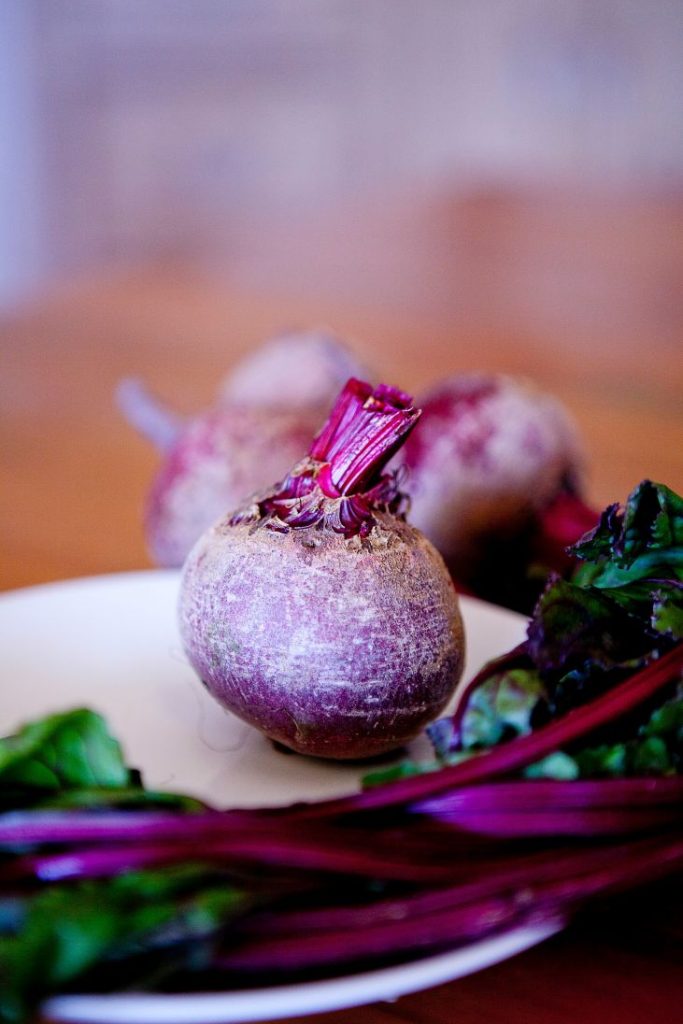
an image of beets and beet greens on a white plate

Types of Diet to Reduce PAD Risk

According to this study, there are three specific diet plans that help prevent plaque build-up (atherosclerosis), as well as peripheral arterial disease.

  1. Plant based diet. With this eating pattern, you should include plant-based proteins such as beans, lentils, tofu, and tempeh; it also focuses on whole grains oats, brown rice, and quinoa; plus healthy fats from avocados, nuts and seeds as well as lots of fruits and veggies.
  2. Mediterranean diet. This diet also includes plenty of plant-based foods, with the additions of health fats from extra virgin olive oil, lots of legumes such as chickpeas and lentils and special staples such as fatty fish, Greek yogurt and feta cheese.
  3. DASH diet. This is a way of eating that is specifically designed to reduce cholesterol and lower your blood pressure. It includes 4-5 daily servings of both fruits and vegetables; 6-8 whole grain servings; 2-3 low or fat-free dairy servings as well as heart-healthy oils and fats; 6 or less daily servings of fish, chicken or meat.

Foods to Add

Whichever eating plan you follow to reduce PAD risk, these are the foods that you should aim to include in your meals.

Fruits such as:

  1. blueberries, strawberries, and raspberries to reduce damage to your blood vessels
  2. vitamin C-rich lemons, oranges and grapefruits to lower blood pressure
  3. bananas, pomegranates and papayas to support arterial health and prevent arterial damage
  4. watermelon to promote blood vessel dilation

    Vegetables, especially:

  5. spinach, kale, and arugula for improved circulation
  6. beets, for better blood flow
  7. Brussels sprouts and broccoli to fight inflammation
  8. artichokes, for arterial protection

  9. Legumes, including beans, chickpeas, lentils, peas and peanuts

  10. Whole grains such as brown rice and quinoa

  11. Nuts

  12. Oily fish, including salmon and mackerel

  13. Cocoa

  14. Tea

  15. Olive Oil

Nutrients to Source

It’s not always easy to make major dietary changes. So if some of these foods that reduce PAD risk don’t make it onto your plate, the study says you can still protect your arterial health by adding specific nutrients to your diet. These include:

  • Fiber
  • Flavonoids, phytonutrients that protect from oxidative stress and can be found in many different foods, from fruits, veggies and grains to teas and even wines
  • Flavan-3-ols, a specific type of flavonoid that acts as a powerful anti-inflammatory. It can be sourced from apples, berries, cocoa products, tea and red wine specifically.
  • Unsaturated fats
  • Vitamins and minerals of all kinds (consider taking a vitamin supplement if your diet is not particularly varied.)

Items to Avoid

While you focus on adding specific foods and nutrients to your diet, you should also avoid certain items that take a toll on your arterial health. Specifically, study authors suggest avoiding added sugar as well as sodium when you are hoping to reduce PAD risk.

When Diet to Reduce PAD Risk is Not Enough  

Following a healthy diet is just one way you can help protect arterial health and prevent disease. It’s also important to engage in regular exercise, and see your physician regularly for artery disease screening when risk is high.  Then, if PAD is detected, you can request a consultation at one of our seven Texas Endovascular locations in and around Houston and Dallas. When we see you in one of our offices, we can review your minimally-invasive PAD treatment options. From angioplasty and stenting, to medications and atherectomy, there are a wide range of procedures and treatment plans to protect your health and prevent disease progression.

Schedule Now